اسمك
معنى اسمك، من المعاجم والتاريخ، بمصادره
The meaning of Arabic names, from the classical dictionaries, with the source.
 اسمٌ من المعجمرِيمر · ي · م«الرِّيمُ: الظبيُ الأبيضُ الخالصُ البياض»، كما في «لسان العرب».
كيف نقرأ الاسم؟ How we read a name
- الجذر نبدأ من الحروف الأصول للاسم.We start from the root letters.
- المعجم نقرأ المادّة في المعاجم القديمة: الكتاب والجزء والصفحة. We read the entry in the classical dictionaries: book, volume, page.
- الاسم ثم قصّته في القرآن والشعر والتاريخ، بمصادرها. Then its story in the Quran, poetry and history, with the sources.
أحدث الأسماء
كلّ الأسماء ←- رِيمر · ي · م«الرِّيمُ: الظبيُ الأبيضُ الخالصُ البياض»، كما في «لسان العرب».اسم بنت
 خَدِيجَةخ · د · جخديجة مؤنّث «خَديج»: مولودٌ جاء قبل أوانه، «وإن كان تامَّ الخَلْق» كما في «لسان العرب».اسم بنت
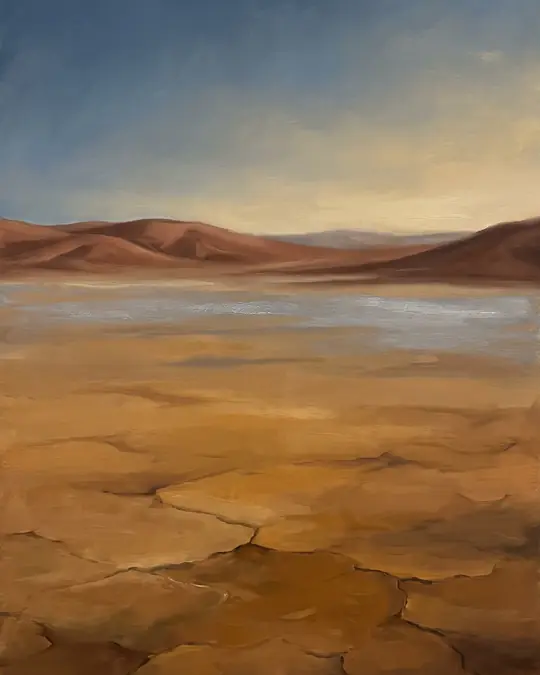 آدَمأ · د · مآدم من الأُدْمة، وهي السُّمرة؛ قال ابن فارس: «سُمّي آدمُ لأنه أُخذ من أُدْمةِ الأرض».اسم ولد
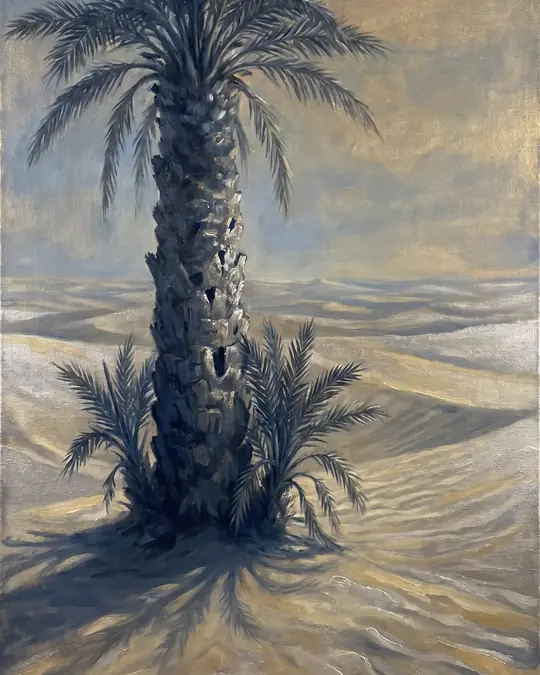 عُمَرع · م · رعُمَر من العُمر، و«العُمر: الحياة» كما في «لسان العرب».اسم ولد
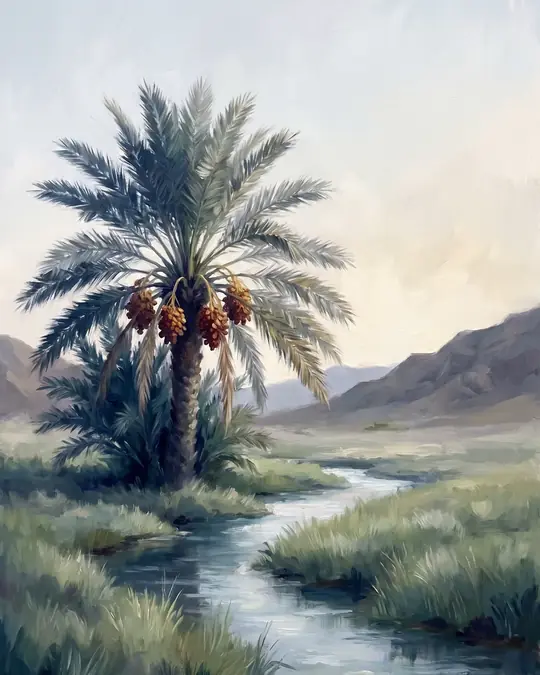 مَرْيَممريم في «تاج العروس»: «غير عربية… فلا تكون مشتقة من شيء».اسم بنت
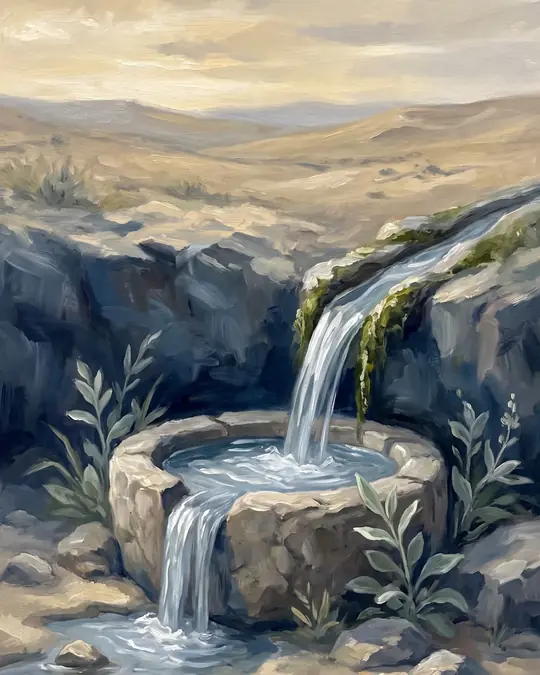 رَيّانر · و · يالريّان في «لسان العرب»: ضدّ العطشان.اسم ولد
 عَائِشَةع · ي · شعائشة من العيش، و«العيش: الحياة» كما في «لسان العرب».اسم بنت
 أَحْمَدح · م · دأحمد من الحمد، والحمد في «لسان العرب»: نقيض الذم.اسم ولد
Names in English
All names →ما الذي نفعله؟
أفلامٌ قصيرة وصفحاتٌ تشرح معنى اسمٍ عربيٍّ واحد في كلّ مرة، كما ورد في المعاجم القديمة وكتب التاريخ: الجذر، والمعنى، ومَن ذكره، وفي أيِّ جزءٍ وصفحة، وموضعَه في القرآن الكريم إن ورد فيه.
لا نتحدّث عن «صفات حامل الاسم» ولا عن الحظّ أو الأرقام: لا أصلَ لها في المعاجم. وإن لم يكن الاسمُ عربيًّا قلنا ذلك، كما قالته المعاجم.
مصادرنا
- «لسان العرب» لابن منظور
- «مقاييس اللغة» لابن فارس
- «الصحاح» للجوهري
- «القاموس المحيط» للفيروزآبادي
- «تاج العروس» للزَّبيدي
نصّ الآيات: مشروع تنزيل (tanzil.net).
What we do
Short films and pages that explain one Arabic name at a time, as the classical Arabic dictionaries and history books give it: the root, the meaning, who says so, in which volume and page, and where the word appears in the Quran.
No personality traits, no luck, no numerology: the dictionaries say nothing of the kind. When a name isn't Arabic, we say so, as the dictionaries do.
Sources: Lisan al-Arab (Ibn Manzur), Maqayis al-Lugha (Ibn Faris), al-Sihah (al-Jawhari), al-Qamus al-Muhit (al-Firuzabadi), Taj al-Arus (al-Zabidi). Quran text: Tanzil Project (tanzil.net).