
The story of the name, from the sources
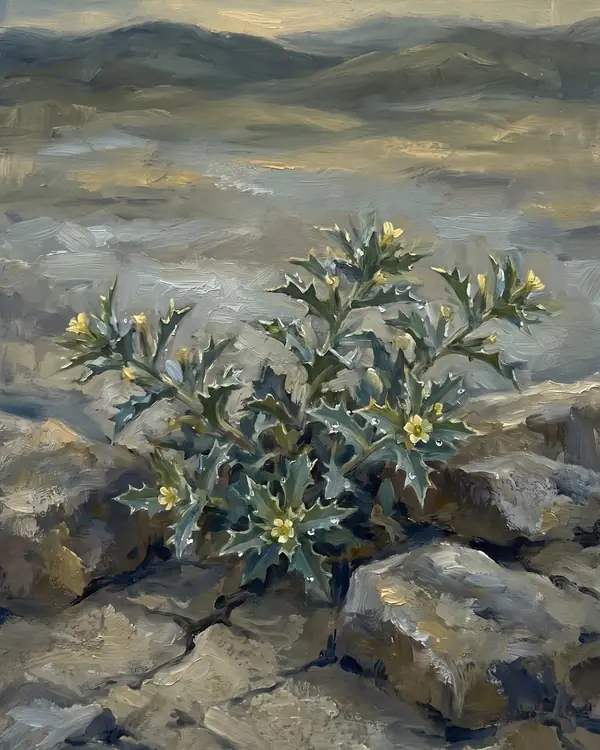
Hamza comes from the root ha-meem-zay. Ibn Faris says it is one root: a sharpness in a thing, like a biting taste. One says: a drink that bites the tongue. And Lisan al-Arab says: hamza is a herb, and men were named after it. Al-Jawhari adds: a sharp-tasting herb.
“a sharpness in a thing, like a biting taste”
“a drink that bites the tongue”
a sharp-tasting herb
“Hamza is a herb, and men were named after it”
Maqayis al-Lugha · vol. 2, p. 103 · Lisan al-Arab · vol. 5, p. 339 · al-Sihah · vol. 3, p. 875
And in Taj al-Arus and al-Qamus al-Muhit, al-hamza is the lion, for its strength and hardness.
الحمزةُ: الأسد
“the lion, for its strength and hardness”
Taj al-Arus · vol. 15, pp. 116–120 · al-Qamus al-Muhit · vol. 1, p. 509

Its most famous bearer is Hamza ibn Abd al-Muttalib, may God be pleased with him, the Prophet's uncle, and also his brother by nursing: in Sahih Muslim, the Prophet, peace be upon him, says: Hamza is my brother by nursing. Ibn Sa'd reports that when Hamza heard Abu Jahl had insulted and hurt the Prophet, he came to the mosque in anger, and became Muslim, and through him the Messenger of God and the Muslims grew strong.
“Hamza is my brother by nursing”
the Prophet ﷺ
his uncle, and his milk-brother · “Hamza became Muslim, and through him the Messenger ﷺ and the Muslims grew strong”
Sahih Muslim 1448 · al-Isaba · vol. 2, p. 105 · Ibn Sa’d, al-Tabaqat · vol. 3, p. 6
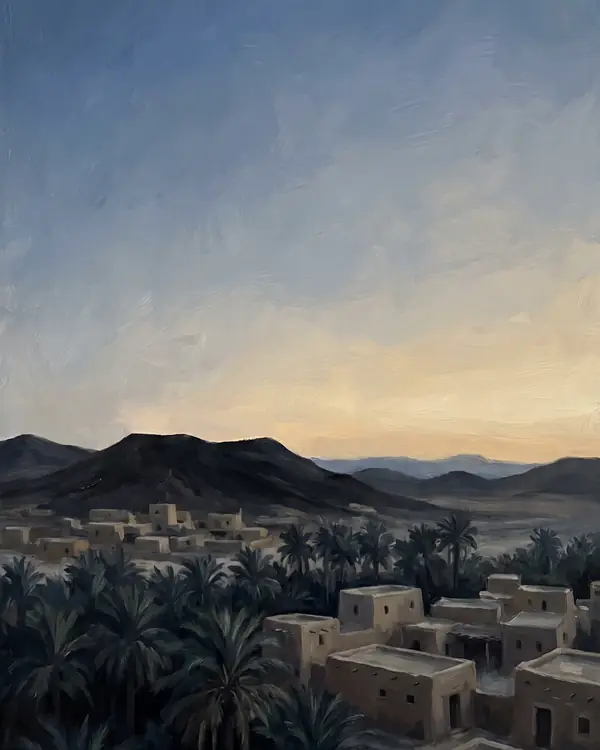
Ibn Hajar writes in al-Isaba: the Prophet called him the Lion of God, and named him the master of martyrs. And al-Jahiz says: it is honour enough for the lion that Hamza's title was taken from its name.
أسدُ الله
“The Prophet ﷺ called him the Lion of God, and named him the master of martyrs”
Ibn Hajar
al-Jahiz: “It is honour enough for the lion that Hamza’s title was taken from its name”
al-Isaba · vol. 2, p. 106 · Ibn Sa’d, al-Tabaqat · vol. 3, p. 5 · al-Jahiz, al-Hayawan · vol. 1, p. 150