The story of the name, from the sources
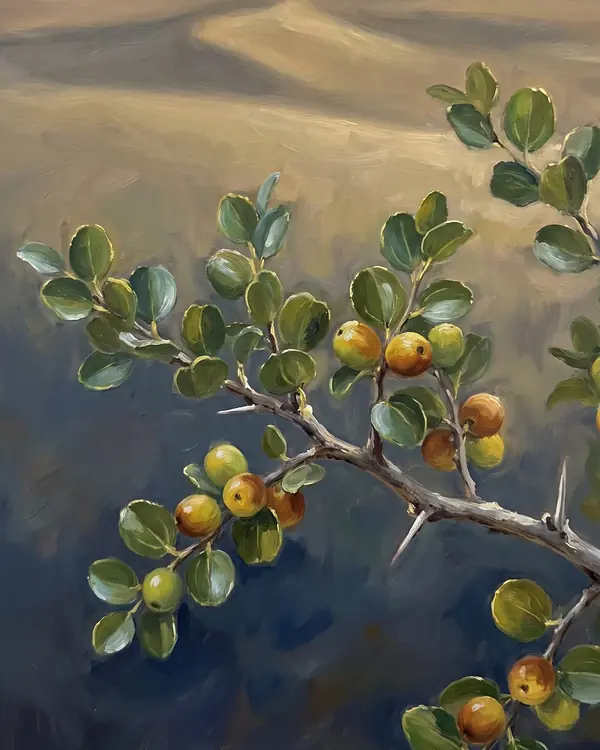
In Lisan al-Arab, al-sidr is the lote tree, the tree of the nabq fruit, and a single tree of it is a sidra. One kind has no thorns that hurt, the wild kind is thorny, and its leaf is broad and round. Abu Hanifa says the finest nabq in the land of the Arabs is the nabq of Hajar: it perfumes the mouth of the one who eats it, and their clothes, like perfume.
“al-sidr: the lote tree, the nabq tree; a single one is a sidra”
“its leaf is broad and round”
Abu Hanifa: “the finest nabq in the land of the Arabs is the nabq of Hajar”
Lisan al-Arab · vol. 4, pp. 354–356

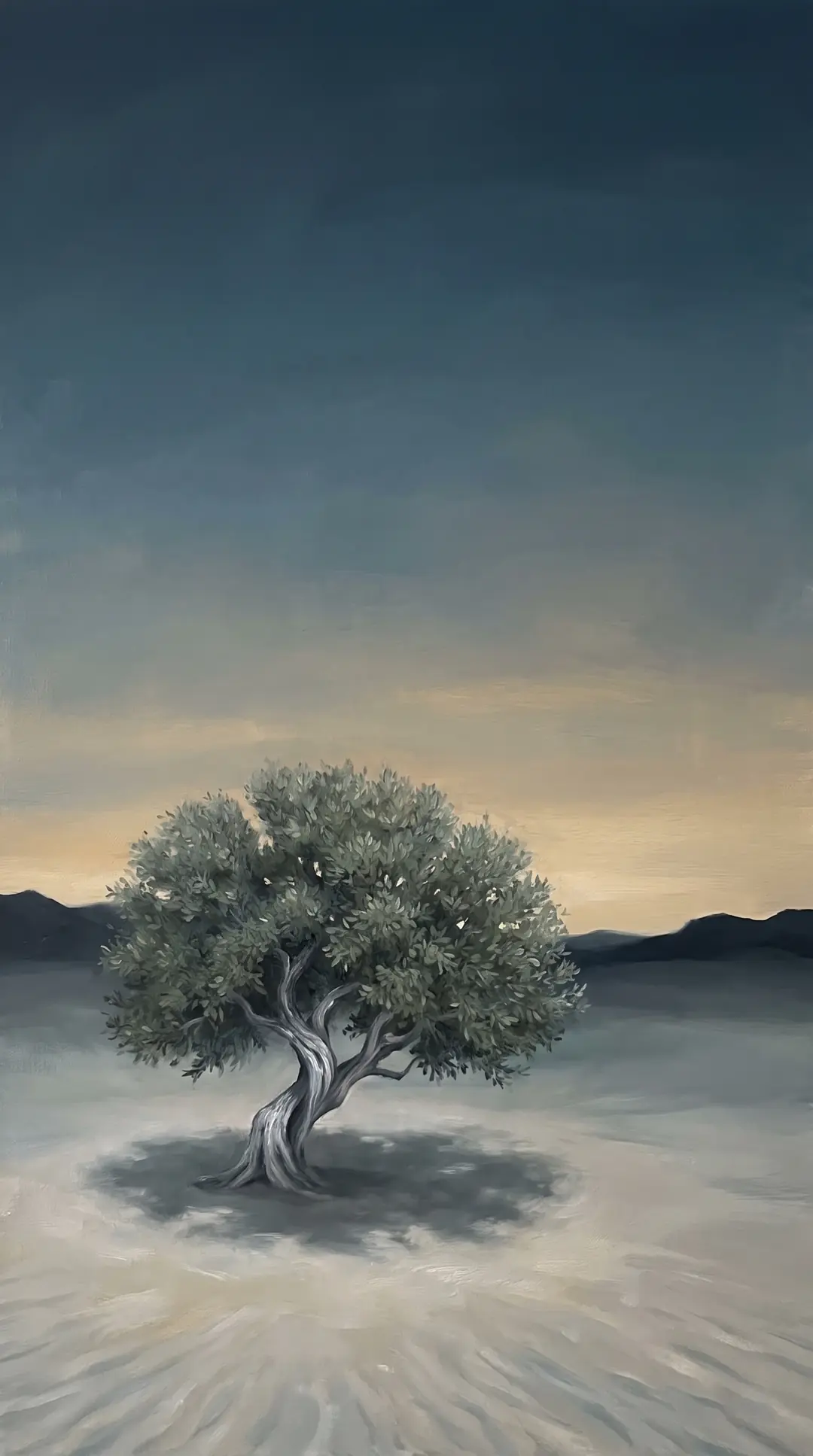
The lote tree appears in the Quran, in Surah An-Najm 53:14: Sidrat al-Muntaha, the lote tree of the farthest boundary. Lisan al-Arab quotes Ibn al-Athir: it is at the farthest end of Paradise; the knowledge of the first and the last reaches it, and goes no further.
﴿عِندَ سِدْرَةِ الْمُنتَهَىٰ﴾
Surah An-Najm 53:14 · the lote tree of the farthest boundary
“the knowledge of the first and the last reaches it, and goes no further”
Ibn al-Athir, quoted in Lisan al-Arab
Verse text: Tanzil · Lisan al-Arab · vol. 4, pp. 354–356

In Sahih al-Bukhari, in the report of the Ascension, the Prophet, peace be upon him, said: then Sidrat al-Muntaha was raised up to me; its fruit was like the great jars of Hajar, and its leaves like the ears of elephants.
the report of the Ascension (al-Mi‘raj)
“its fruit like the great jars of Hajar, its leaves like the ears of elephants”
Sahih al-Bukhari 3887 · 3207
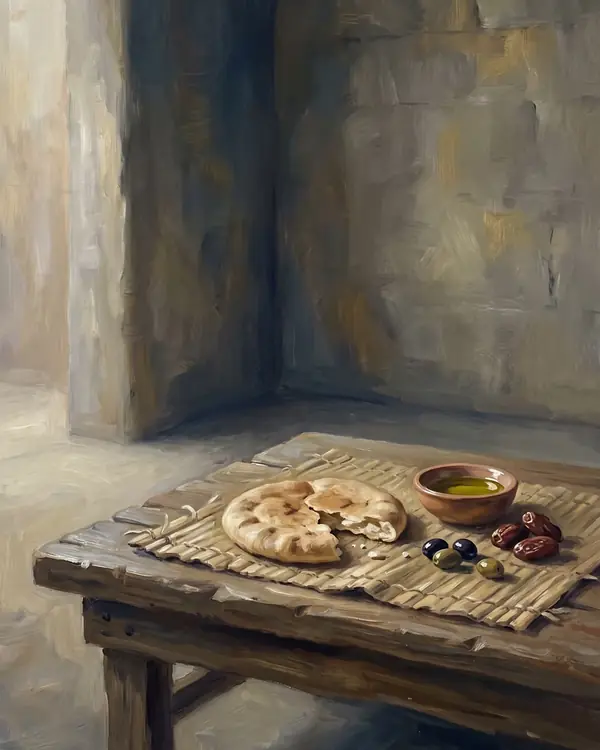
In Medina, in the Prophet's time, Sidra was the mawla of Duba'a bint al-Zubayr, a woman of her household. She carried a bowl of food to the Prophet, peace be upon him, found him in the house of Umm Salama, and ate with them. Ibn Hajar names her in al-Isaba. And Taj al-Arus says: some say Sidra was a woman who reported from Aisha, may God be pleased with her.
سِدْرة
Sidra, the mawla of Duba‘a bint al-Zubayr
“with Sidra, my mawla… she found him in the house of Umm Salama”
Taj al-Arus: some say, a woman who reported from Aisha
Ibn Hajar, al-Isaba · vol. 8, p. 174 · Zad al-Ma’ad · vol. 3, p. 573 · Taj al-Arus · vol. 11, pp. 525–531