Find your name
Arabic Name Meanings
Every name here comes from the classical Arabic dictionaries and history books, with the book, volume and page.
149 names
- عَبَّاسAbbasع · ب · سAbbas is the lion that other lions flee from. Lisan al-Arab says: “al-ʿabbas is the lion that lions flee from, and after it a man is named Abbas.”Boy's name
- عَبْدُ اللهAbdullahع · ب · دAbdullah is ʿabd Allah: the one who worships God. Lisan al-Arab says: “ʿabada, yaʿbudu, ʿibada is said only of one who worships God.”Boy's name
- عَبِيرAbeerع · ب · رAbeer is a blend of scents made with saffron. Al-Jawhari writes in al-Sihah: “al-ʿabir is a blend of scents put together with saffron, according to al-Asmaʿi.”Girl's name
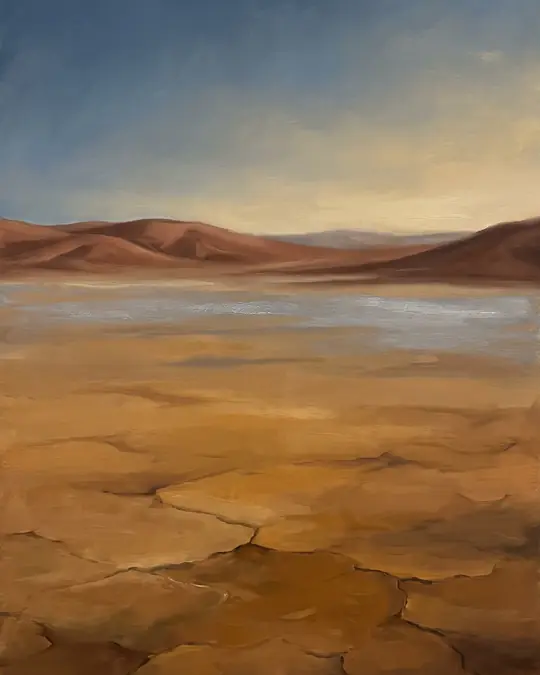 آدَمAdamأ · د · مAdam comes from udma, a tawny earthen brown: Ibn Faris says he was named so because he was taken from the face of the earth.Boy's name
- أَدِيبَةAdibaأ · د · بAdiba is the feminine of adib, one schooled in adab. Lisan al-Arab says: “adab is what the adib is schooled by; it is called adab because it calls people to what is praiseworthy and holds them back from what is shameful.”Girl's name
- عَدْنَانAdnanع · د · نAdnan comes from ʿadn, staying in a place. Lisan al-Arab says: “the name Adnan is derived from al-ʿadn: when camels keep to a place, grow used to it and do not leave it.”Boy's name
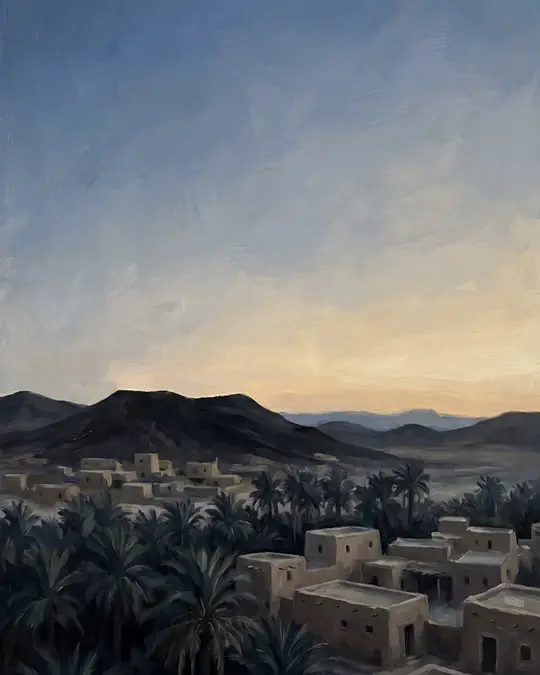 أَحْمَدAhmadح · م · دAhmad comes from hamd, praise, which Lisan al-Arab defines as the opposite of blame.Boy's name
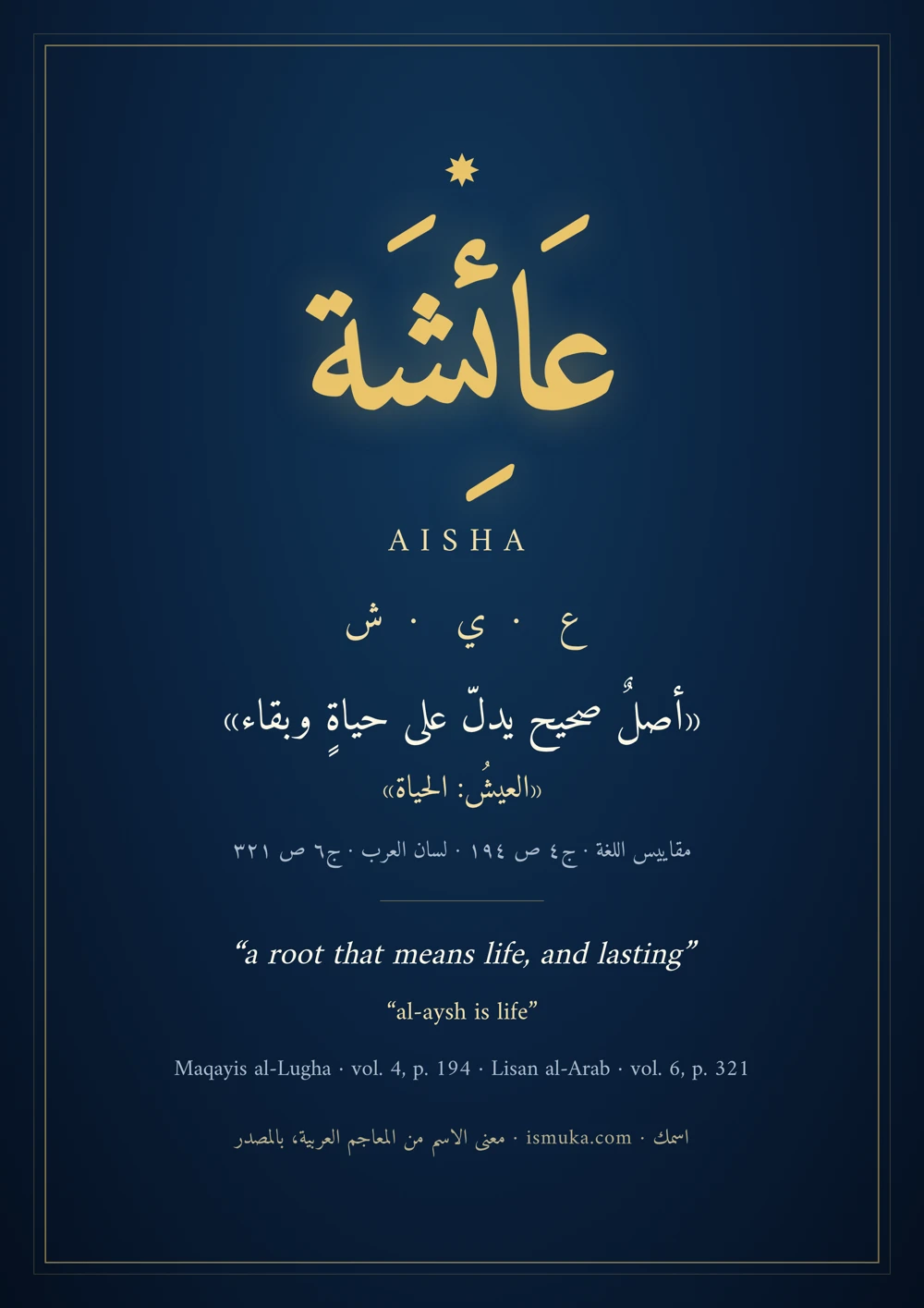
 عَائِشَةAishaع · ي · شAisha comes from aysh, life: Ibn Faris says the root means life, and lasting.Girl's name
- عَلِيّAliع · ل · وAli means the high, the elevated. Al-Jawhari writes in al-Sihah: “al-ʿali is the high, the elevated.”Boy's name
- عَلْيَاءAliaع · ل · اAlia (ʿAlyaʾ) is any high place; from the same root, ʿalaʾ is height and honour. Al-Jawhari writes in al-Sihah: “al-ʿalyaʾ is any high place; al-ʿalaʾ and al-ʿulaʾ are height and honour.”Girl's name
- أَمَلAmalأ · م · لAmal is the Arabic word for hope. Al-Jawhari writes in al-Sihah: “al-amal is hope.”Girl's name
- أَمِيرAmeerأ · م · رAmeer (Amir) is the one who holds command. Al-Jawhari writes in al-Sihah: “al-amir is the one who holds command.”Boy's name
 أَمِينَةAminaأ · م · نMaqayis al-Lugha: al-amin is the one who is trusted; Lisan al-Arab: a she-camel that is amina, strong and sure-footed.Girl's name
- آمِنَةAmnaأ · م · نAmna comes from amn, safety: the opposite of fear. Al-Jawhari writes in al-Sihah: “al-amn is the opposite of fear.”Girl's name
- أَنَسAnasأ · ن · سAnas comes from uns, ease in company: the opposite of loneliness. Lisan al-Arab says: “al-uns is the opposite of loneliness.”Boy's name
- أَنِيسَةAnisaأ · ن · سAnisa is the feminine of anis: a companion, anything one finds company in. Al-Jawhari writes in al-Sihah: “al-anis is the companion, and anything one finds company in.”Girl's name
- أَقْصَىAqsaق · ص · وAqsa means the farthest, from qasa: to be far. Al-Jawhari writes in al-Sihah: “so-and-so is at the farthest place, the farthest side.”Girl's name
- عَرُوبَةAroobaع · ر · بArooba (ʿAruba) is an old Arabic name for Friday. Al-Jawhari writes in al-Sihah: “the day of al-ʿAruba is Friday; it is one of their old names.”Girl's name
- أَرْوَىArwaر · و · يArwa comes from urwiyya, the female mountain goat (ibex). Al-Jawhari writes in al-Sihah: “the female of the mountain goats, and women are named after it.”Girl's name
- أَسِيلAseelأ · س · لAseel describes a smooth, soft cheek. Lisan al-Arab says: “a cheek that is asil: smooth and soft.”Girl's name
- عَاصِمAsimع · ص · مAsim is the one who holds back harm: the protector. Al-Jawhari writes in al-Sihah: “al-ʿisma is holding back, protecting.”Boy's name
- آسِيَةAsiyaأ · س · اAsiya means a firm building, a pillar; it is the name of Pharaoh's wife. Lisan al-Arab says: “al-asiya is a firmly built structure; al-asiya is a prop and a pillar,” and “Asiya is the wife of Pharaoh.”Girl's name
- أَسْمَاءAsmaو · س · مAsma comes from wasama, beauty. Lisan al-Arab says: “Asmaʾ is a woman's name derived from al-wasama; its hamza stands in place of a waw.”Girl's name
 آيَةAyaأ · ي · يAl-Sihah: an ayah is a sign; and “the people went out with their ayah” means all of them together.Girl's name
- أَيْمَنAymanي · م · نAyman comes from yumn, blessing. Ibn Faris writes in Maqayis al-Lugha: “al-yumn is blessing; one says: he is maymun, blessed.”Boy's name
 بَتُولBatoolب · ت · لIn al-Sihah, al-batul is the one devoted to God, cut off from the world; Ibn Faris: setting a thing apart.Girl's name
- بِلَالBilalب · ل · لBilal means water. Lisan al-Arab says: “al-bilal is water.”Boy's name
- بُشْرَىBushraب · ش · رBushra is good news: news that brings joy. Al-Jawhari writes in al-Sihah: “I gave him the good news of a newborn and he rejoiced.”Girl's name
- دَانِيَةDaniaد · ن · اDania is one who is near, from dana, to come near. Lisan al-Arab says: “dana the thing to the thing: it came near.”Girl's name
- دِيمَةDeemaد · ي · مDeema is a quiet, steady rain. Lisan al-Arab says: “al-dima is the rain that has no thunder and no lightning.”Girl's name
- إِسْرَاءEsraaس · ر · اEsraa (Israʾ) is travelling by night, from asra. Al-Jawhari writes in al-Sihah: “sarayt and asrayt mean the same: when you travel by night.”Girl's name
- فَهْدFahdف · ه · دFahd is the cheetah. Ibn Faris writes in Maqayis al-Lugha: “al-fahd (the cheetah) is well known, and its plural is fuhud.”Boy's name
- فَائِزَةFaizaف · و · زFaiza comes from fawz: being saved, and winning the good. Ibn Faris writes in Maqayis al-Lugha: “faza, yafuzu: when one is saved; he is faʾiz.”Girl's name
- فَرَحFarahف · ر · حFarah is joy: the opposite of sorrow. Lisan al-Arab says: “al-farah is the opposite of sorrow.”Girl's name
- فَارِسFarisف · ر · سFaris is the horseman. Lisan al-Arab says: “al-faris is the one who has the horse.”Boy's name
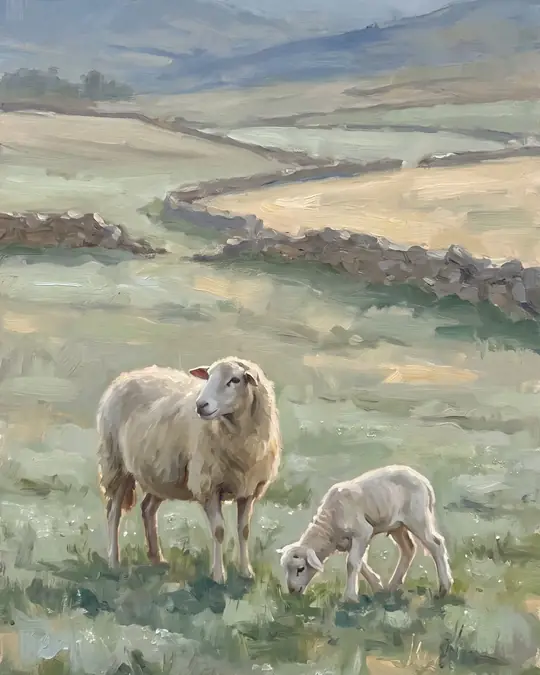 فَاطِمَةFatimaف · ط · مFatima comes from fatm, weaning: Ibn Faris says the root means cutting one thing away from another.Girl's name
- غَادَةGhadaغ · ي · دGhada is the soft, tender young woman. Lisan al-Arab says: “al-ghada is the soft, tender young woman.”Girl's name
- غَيْمGhaimغ · ي · مGhaim (Ghaym) is the Arabic word for clouds. Al-Jawhari writes in al-Sihah: “al-ghaym is the clouds.”Girl's name
- غَيْثGhaithغ · ي · ثGhaith means rain. Al-Jawhari writes in al-Sihah: “al-ghayth is rain.”Boy's name
- هَدِيلHadeelه · د · لHadeel is the cooing of doves. Al-Jawhari writes in al-Sihah: “al-hadil is the voice of the doves.”Girl's name
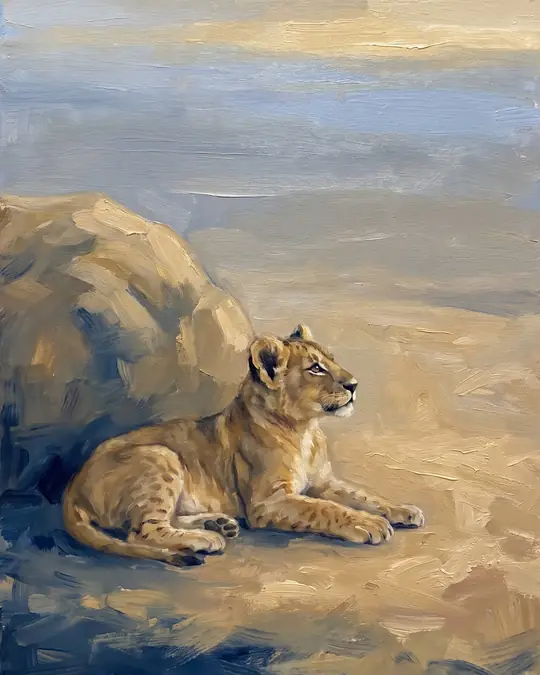 حَفْصَةHafsaح · ف · صAl-Sihah: al-hafs is a leather basket, and also the lion’s cub.Girl's name
- حَيْدَرHaiderح · د · رHaider comes from haydara, the lion. Al-Jawhari writes in al-Sihah: “al-haydara is the lion.”Boy's name
- هَيْثَمHaithamه · ث · مHaitham is the eagle's chick. Al-Jawhari writes in al-Sihah: “al-haytham is the eagle's chick, and from it a man is named Haytham.”Boy's name
- هَالَةHalaه · و · لHala is the ring of light around the moon. Al-Jawhari writes in al-Sihah: “al-hala is the ring around the moon.”Girl's name
- حَلِيمَةHalimaح · ل · مHalima is the forbearing one: from hilm, the opposite of rashness. Ibn Faris writes in Maqayis al-Lugha: “al-hilm is the opposite of rashness; one says: I was forbearing with him, so I am halim.”Girl's name
 حَمْزَةHamzaح · م · زIn Lisan al-Arab, hamza is a sharp-tasting herb, and men were named after it; al-Qamus adds: the lion.Boy's name
- حَنَانHananح · ن · نHanan is mercy, tenderness. Al-Jawhari writes in al-Sihah: “al-hanan is mercy.”Girl's name
- حَنِينHaneenح · ن · نHaneen is longing, the soul's yearning. Al-Jawhari writes in al-Sihah: “al-hanin is longing, the soul's yearning.”Girl's name
- حَارِثHarisح · ر · ثHaris (Harith) is the one who earns. Lisan al-Arab says: “al-harith is the one who earns; ihtaratha al-mal: he earned the wealth.”Boy's name
- حَسَنHasanح · س · نHasan comes from husn, beauty and goodness. Ibn Faris writes in Maqayis al-Lugha: “al-husn is the opposite of ugliness; one says: a man who is hasan.”Boy's name
- حَوَّاءHawaح · و · اHawa (Hawwa, Eve) is the wife of Adam; as a word, hawwaʾ is a woman whose lips are dark-tinted. Lisan al-Arab: “Hawwaʾ is the wife of Adam.” Al-Jawhari: “al-huwwa is a dark tint of the lip: a man ahwa, a woman hawwaʾ.”Girl's name
- حَيَاةHayatح · ي · اHayat is the Arabic word for life. Al-Jawhari writes in al-Sihah: “al-hayat is the opposite of death.”Girl's name
- هِبَةHibaو · ه · بHiba is a gift given for nothing in return. Lisan al-Arab says: “al-hiba is the gift free of any return and of any motive.”Girl's name
- هِنْدHindه · ن · دIbn Faris gives Hind simply as a woman's name; hunayda, from the same letters, is a hundred camels. Maqayis al-Lugha: “Hind is a woman's name, and hunayda is a hundred camels.”Girl's name
- حِرَاءHiraح · ر · اHira is the name of a mountain at Mecca. Al-Jawhari writes in al-Sihah: “Hiraʾ, with i and a long final a, is a mountain at Mecca; it is treated as both masculine and feminine.”Girl's name
- حُورHoorح · و · رHoor is the plural of hawra, from hawar. Ibn Faris writes in Maqayis al-Lugha: “al-hawar is the strong white of the eye with its strong black.”Girl's name
- هُدَىHudaه · د · يHuda is guidance. Al-Jawhari writes in al-Sihah: “al-huda is right direction and showing the way.”Girl's name
- حُمَيْرَاءHumairaح · م · رHumaira is the diminutive of hamraʾ, “red”, used to mean fair-skinned; it was a name for ʿAʾisha. Lisan al-Arab says: “he would sometimes call her ya Humayraʾ, the diminutive of hamraʾ, meaning the fair-skinned one.”Girl's name
- حُسْنَىHusnaح · س · نHusna is the best, the opposite of al-suʾa, the worst. Al-Jawhari writes in al-Sihah: “al-husna is the opposite of al-suʾa.”Girl's name
- إِيلَافIlafأ · ل · فIlaf is a pact of safe passage: the pact and the protection. Lisan al-Arab says: “al-ilaf is the pact and the protection.”Girl's name
- إِيمَانImanأ · م · نIman is faith: holding something to be true. Al-Jawhari writes in al-Sihah: “al-iman is holding something to be true.”Girl's name
- عِنَايَةInayaع · ن · يInaya is care: being taken up with someone's need. Al-Jawhari writes in al-Sihah: “I was taken up with your need, I attend to it with ʿinaya, and I am concerned with it.”Girl's name
- إِيَادIyadأ · ي · دIyad is what a thing is strengthened by: a support. Lisan al-Arab says: “the iyad of any thing is what it is strengthened by on its two sides.”Boy's name
- عِزَّةIzzahع · ز · زIzzah (ʿizza) is strength and the upper hand. Al-Jawhari writes in al-Sihah: “the noun is al-ʿizza: strength and the upper hand.”Girl's name
- جَنَىJanaج · ن · يJana is what is picked from the tree: its fruit. Al-Jawhari writes in al-Sihah: “al-jana is what is picked from trees and the like.”Girl's name
- جَنَانJananج · ن · نJanan, with an a after the j, is the heart. Al-Jawhari writes in al-Sihah: “al-janan, with a fatha, is the heart.”Girl's name
- جُودJoudج · و · دJoud means generosity. Ibn Faris writes in Maqayis al-Lugha: “one root: being open-handed with a thing, and giving much.”Girl's name
- جُمَانَةJumanaج · م · نJumana is a bead made of silver, like a pearl. Lisan al-Arab says: “al-jumana is a bead made of silver, like a pearl; Ibn Sida said: and women are named after it.”Girl's name
- كَوْثَرKawtharك · ث · رKawthar is abundance: plenty of every thing. Lisan al-Arab says: “al-kawthar is the abundant of every thing.”Girl's name
 خَدِيجَةKhadijaخ · د · جKhadija is the feminine of khadij: a child born before its time, yet fully formed (Lisan al-Arab).Girl's name
- خَالِدKhalidخ · ل · دKhalid is the one who remains, from khalada. Lisan al-Arab says: “khalada, yakhludu: he remained and stayed.”Boy's name
- خَوْلَةKhawlaخ · و · لKhawla is the gazelle. Lisan al-Arab says: “al-khawla is the gazelle.”Girl's name
- خُلُودKhuloodخ · ل · دKhulood is lasting forever. Al-Jawhari writes in al-Sihah: “al-khuld is lasting on forever; one says khalada, yakhludu, khulud.”Girl's name
- لَمَىLamaل · م · يLama comes from al-lama, a dark tint inside the lip that was found beautiful. Ibn Faris writes in Maqayis al-Lugha: “it is al-lama: a darkness inside the lip, and it is found beautiful.”Girl's name
- لَمِيسLameesل · م · سLamees is the one soft to the touch. Lisan al-Arab says: “al-lamis is the woman who is soft to the touch.”Girl's name
- لَيَانLayanل · ي · نLayan is ease and softness of life. Al-Jawhari writes in al-Sihah: “he is in layan of life: in ease and comfort.”Girl's name
 لَيْلَىLaylaل · ي · لIn Lisan al-Arab, Layla is named after "the darkest night of the month".Girl's name
- لِينLeenل · ي · نLeen is softness, gentleness. Al-Jawhari writes in al-Sihah: “al-lin is the opposite of roughness.”Girl's name
- لُؤَيّLuayل · أ · يLuay is the diminutive of Laʾy; al-laʾa is the wild bull. Al-Jawhari writes in al-Sihah: “Laʾy is also a man; its diminutive is Luʾayy, and from it is Luʾayy son of Ghalib.”Boy's name
- لُبْنَىLubnaل · ب · نLubna is a tree whose sap is like honey. Al-Jawhari writes in al-Sihah: “al-lubna is a tree that has a milk like honey.”Girl's name
- لُجَيْنLujainل · ج · نLujain means silver. Ibn Faris writes in Maqayis al-Lugha: “al-lujayn is silver.”Girl's name
- مَهَاMahaم · ه · وMaha is the plural of mahat, the wild cow (the oryx). Al-Jawhari writes in al-Sihah: “al-maha is the plural of mahat, which is the wild cow.”Girl's name
- مَاجِدMajidم · ج · دMajid comes from majd: nobility, generosity. Al-Jawhari writes in al-Sihah: “al-majd is nobility; al-majid is the noble one; a man majuda: he is majid and majid.”Boy's name
- مَلَكMalakم · ل · كMalak is the Arabic word for an angel. Lisan al-Arab says: “malak is the singular of malaʾika (angels); it is a lightened form of malʾak.”Girl's name
- مَلِيحَةMalihaم · ل · حMaliha is the feminine of malih: beautiful, from malaha, beauty. Lisan al-Arab says: “malaha, yamluhu, mulaha: that is, he was beautiful, so he is malih.”Girl's name
- مَالِكMalikم · ل · كMalik is the one who owns, who has dominion. Lisan al-Arab says: “al-malik and al-mālik: the one who has dominion.”Boy's name
- مَنَارManarن · و · رManar is the waymark of a road, and the place of light. Al-Jawhari writes in al-Sihah: “al-manar is the waymark of the road.”Girl's name
- مَرَامMaramر · و · مMaram is the thing one seeks: an aim. Ibn Faris writes in Maqayis al-Lugha: “al-maram is the thing sought.”Girl's name
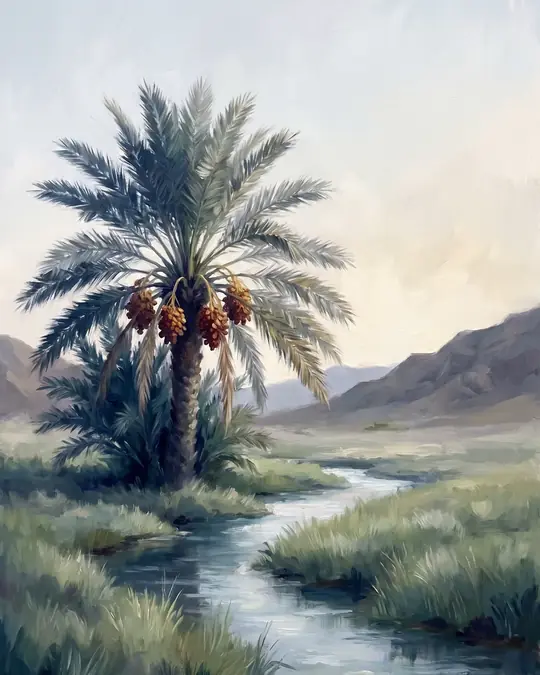 مَرْيَمMaryamTaj al-Arus says Maryam is not Arabic, so it is not derived from anything.Girl's name
- مَيَّارMayarم · ي · رMayar is the one who brings home the provisions. Lisan al-Arab says: “al-mayyar is the one who brings the provisions.”Girls and boys
- مَنَاهِلMinahilن · ه · لMinahil (manahil) is the plural of manhal: a spring where one comes to drink. Al-Jawhari writes in al-Sihah: “al-manhal is the watering place: a spring the camels come down to in the pastures.”Girl's name
- مُنَىMonaم · ن · يMona (Muna) is the plural of munya: what one wishes for. Lisan al-Arab says: “al-muna, with u, is the plural of munya: what a man wishes for.”Girl's name
- مُعَاذMuazع · و · ذMuaz (Maaz) comes from ʿadha: to take refuge. Lisan al-Arab says: “ʿadha bihi, yaʿudhu, ʿawdh, ʿiyadh, maʿadh: he took shelter with him, sought refuge with him and held fast.”Boy's name
- مُدَّثِّرMudassirد · ث · رMudassir (al-Muddaththir) is the one wrapped in his clothes. Lisan al-Arab says: “al-Farraʾ said on the verse ‘O you wrapped up’: it means the one wrapped in his clothes when he sleeps.”Boy's name
 محمَّدMuhammadح · م · دIbn Faris: a man is muhammad when his praiseworthy qualities are many, with none blameworthy (Maqayis al-Lugha).Boy's name
- مُصْطَفَىMustafaص · ف · اMustafa is the chosen one, from istafa, to choose. Lisan al-Arab says: “istafahu: he chose it,” and “al-istifaʾ is choosing, from safwa (the pure best).”Boy's name
- نَدَىNadaن · د · يNada is rain and dew, and it is also generosity. Lisan al-Arab says: “al-nada is rain and moisture.”Girl's name
- نَجْلَاءNajlaن · ج · لNajla describes a wide eye. Lisan al-Arab says: “a najla' eye: a wide one.”Girl's name
- نِدَاءNidaن · د · اNida is a call: the voice raised to someone. Al-Jawhari writes in al-Sihah: “al-nidaʾ is the voice; nadahu, nidaʾ: he called out to him.”Girl's name
- نَمِرَةNimraن · م · رNimra (namira) is a striped cloak. Lisan al-Arab says: “al-namira is a striped cloak, so called for the different colours of its stripes; al-namira is a wrap with white and black stripes.”Girl's name
 نُورNoorن · و · رAl-Sihah: al-nur is light; with a fatha, al-nawr is the blossom (Taj al-Arus).Girls and boys
- نَوْرَةNouraن · و · رNoura (Nawra) is blossom. Lisan al-Arab says: “al-nawr and al-nawra both mean blossom.”Girl's name
- نُهَىNuhaن · ه · يNuha is the plural of nuhya, the mind. Ibn Faris writes in Maqayis al-Lugha: “al-nuhya is the mind, because it forbids the ugly deed; the plural is nuha.”Girl's name
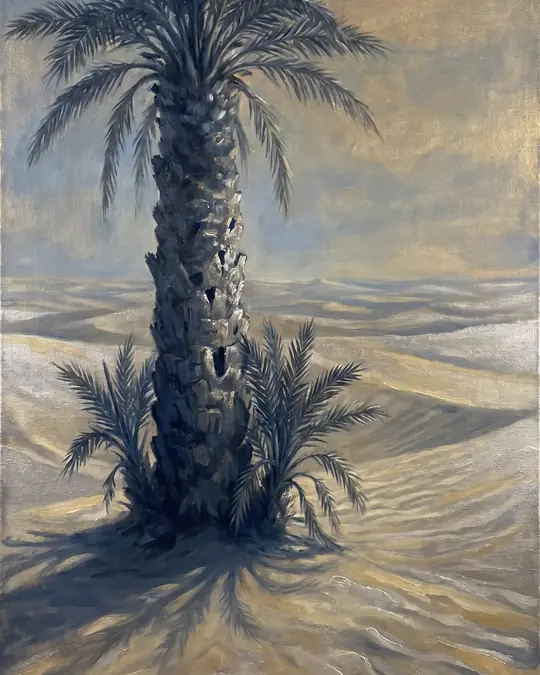 عُمَرOmarع · م · رOmar comes from umr, life: Ibn Faris says the root means lasting, and the stretch of time.Boy's name
- أُسَامَةOsamaأ · س · مOsama (Usama) is a name for the lion. Al-Jawhari writes in al-Sihah: “the lion is called Usama, as a proper name.”Boy's name
- قَمَرQamarق · م · رQamar is the moon, named for its whiteness. Ibn Faris writes in Maqayis al-Lugha: “al-qamar, the moon of the sky, was named qamar for its whiteness.”Girls and boys
- رَغَدRaghadر · غ · دRaghad describes a pleasant, ample life. Ibn Faris writes in Maqayis al-Lugha: “a life that is raghad: pleasant and ample.”Girl's name
- رَهَفRahafر · ه · فRahaf means fineness and delicacy. Lisan al-Arab says: “al-rahaf is fineness and delicacy.”Girl's name
- رَنَاRanaر · ن · وRana comes from gazing long at something. Al-Jawhari writes in al-Sihah: “rana ilayhi: he kept his gaze on him.”Girl's name
- رَانِيَةRaniaر · ن · اRania is one who gazes: from rana, to keep looking at something. Al-Jawhari writes in al-Sihah: “rana ilayhi, yarnu: when one keeps one's gaze on it; one says: he went on gazing (raniyan).”Girl's name
- رَشَاRashaر · ش · أRasha comes from rashaʾ: a young gazelle that has begun to walk. Al-Jawhari writes in al-Sihah: “al-rashaʾ is the young of the gazelle that has begun to move and walk.”Girl's name
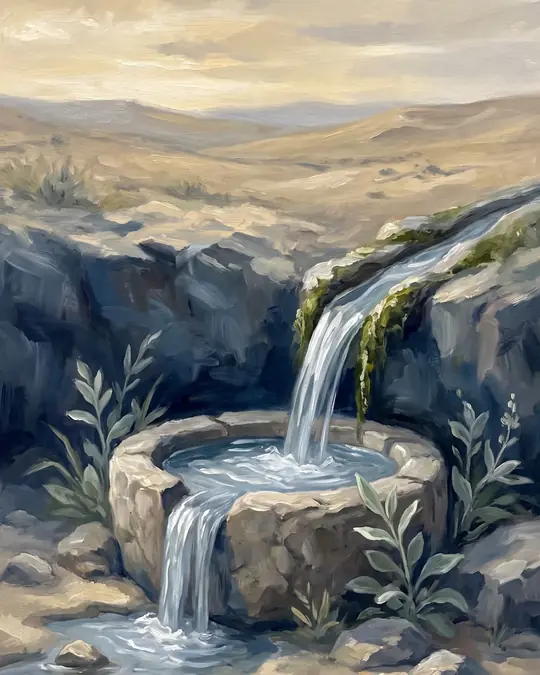 رَيّانRayanر · و · يIn Lisan al-Arab, al-rayyan is the opposite of thirsty.Boy's name
- رَزَانRazanر · ز · نRazan is a composed, dignified woman. Al-Jawhari writes in al-Sihah: “a woman is razan when she is composed where she sits.”Girl's name
 رِيمReemر · ي · مIn Lisan al-Arab, al-reem is "the white gazelle, pure white".Girl's name
- رِضَاRidaر · ض · يRida (Reda, Raza) is being pleased, the opposite of displeasure. Lisan al-Arab says: “al-rida, with a short end, is the opposite of displeasure (sukht).”Girls and boys
- رِيتَاجRitajر · ت · جRitaj comes from al-ritaj, the great door. Al-Jawhari writes in al-Sihah: “al-rataj is the great door, and so is al-ritaj; from it comes the ritaj of the Kaaba.”Girl's name
- رُمَيْصَاءRomaisaر · م · صRomaisa (Rumaysa) is the name of a star. Lisan al-Arab says: “al-Shiʿra al-Rumaysaʾ is one of the two stars of al-Dhiraʿ (the Forearm).”Girl's name
- سَعْدSaadس · ع · دSaad comes from a root of good and joy. Ibn Faris writes in Maqayis al-Lugha: “a root that indicates good and joy.”Boy's name
- سَعِيدSaeedس · ع · دSaeed is happy, fortunate: the opposite of wretched. Lisan al-Arab says: “saʿida, yasʿadu, saʿd and saʿada: he is saʿid, the opposite of wretched.”Boy's name
- صَفَاءSafaaص · ف · وSafaa is clearness, purity. Al-Jawhari writes in al-Sihah: “al-safaʾ, with the long a, is the opposite of murkiness.”Girl's name
- سَيْفSaifس · ي · فSaif is the sword. Ibn Faris writes in Maqayis al-Lugha: “from it is al-sayf (the sword), so named because it extends.”Boy's name
- صَائِمَةSaimaص · و · مSaima is a woman who fasts: holding back from food and drink. Ibn Faris writes in Maqayis al-Lugha: “the fast of one who fasts is holding back from food and drink.”Girl's name
- صَالِحSalihص · ل · حSalih is the good, upright one: from salah, the opposite of corruption. Lisan al-Arab says: “al-salah is the opposite of corruption.”Boy's name
- سَلْمَىSalmaس · ل · مSalma is an Arabic woman's name, from the root s-l-m, which is mostly about soundness and well-being. Al-Jawhari: “Salma is a woman's name.” Ibn Faris: “most of this root is about soundness and well-being.”Girl's name
- سَمَرSamarس · م · رSamar is conversation at night. Al-Jawhari writes in al-Sihah: “al-samar is talking together: it is conversation at night.”Girl's name
- سَنَاءSanaaس · ن · وSanaa is height and honour. Al-Jawhari writes in al-Sihah: “al-sanaʾ, with the long a, is of height and honour.”Girl's name
 سَارَةSaraSara is of Hebrew origin, said to mean “princess” (Brown-Driver-Briggs); not an Arabic name.Girl's name
- شَادِنShadenش · د · نShaden is a young gazelle. Lisan al-Arab says: “when shadin stands alone, it is the young of the gazelle.”Girl's name
- شَهْدShahdش · ه · دShahd is honey still in its comb. Ibn Faris writes in Maqayis al-Lugha: “al-shahd is honey in its comb.”Girl's name
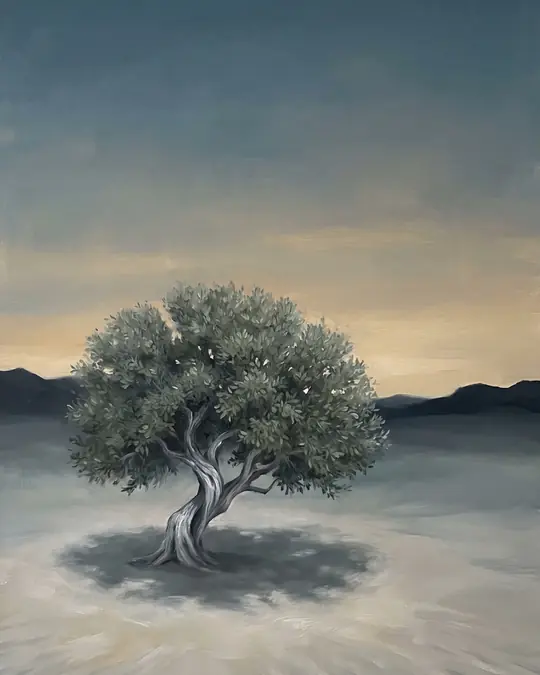 سِدْرَةSidraس · د · رIn Lisan al-Arab, al-sidr is the lote tree, and a single tree of it is a sidra (An-Najm 53:14).Girl's name
- سِهَامSihamس · ه · مSiham is the plural of sahm, an arrow; a sahm is also one's share. Al-Jawhari writes in al-Sihah: “al-sahm is one of the siham (arrows); al-sahm is also a share.”Girl's name
- سُلْطَانSultanس · ل · طSultan is the ruler, and it is also the proof. Al-Jawhari writes in al-Sihah: “al-sultan is the ruler.”Boy's name
- طَلْحَةTalhaط · ل · حTalha is a single talh tree, a great thorny tree of Arabia. Al-Jawhari writes in al-Sihah: “al-talh: great trees of the thorny kind… a single tree is a talha.”Boy's name
- تَمِيمTamimت · م · مTamim is the one whose build is complete. Lisan al-Arab says: “al-tamim is the one whose build is complete.”Boy's name
- تَسْنِيمTasneemس · ن · مTasneem is a water in Paradise, named in the Quran. Al-Jawhari writes in al-Sihah: “it is a water in Paradise, so named because it flows above the chambers and the palaces.”Girl's name
- أُوَيْسUwaisأ · و · سUwais is the diminutive of aws, the wolf. Al-Jawhari writes in al-Sihah: “Uways is a name for the wolf, in the diminutive form.”Boy's name
- وَفَاءWafaaو · ف · يWafaa is faithfulness: keeping one's word. Al-Jawhari writes in al-Sihah: “al-wafaʾ is the opposite of betrayal.”Girl's name
 وَتِينWateenو · ت · نIn Lisan al-Arab, al-wateen is a vessel in the heart: if it is cut, its owner dies.Girl's name
- وِدَادWidadو · د · دWidad is love, affection. Lisan al-Arab says: “al-wudd is love, in all the ways into the good.”Girl's name
- يَحْيَىYahyaح · ي · يYahya is filed under the root of life (hayat). Taj al-Arus quotes al-Raghib on the verse: “He gave him this name because sins did not deaden him, as they deadened many of Adam's children.”Boy's name
- يَقِينYaqeenي · ق · نYaqeen is certainty. Lisan al-Arab says: “al-yaqin is knowledge, the removal of doubt, and making a matter certain.”Girls and boys
- يَاسِرYasirي · س · رYasir comes from yusr, ease: the opposite of hardship. Lisan al-Arab says: “al-yusr is the opposite of ʿusr (hardship).”Boy's name
- يُسْرَىYusraي · س · رYusra comes from yusr, ease: the opposite of hardship. Ibn Faris writes in Maqayis al-Lugha: “al-yusr is the opposite of hardship.”Girl's name
 زَهْرَاءZahraز · ه · رIn al-Sihah, a man is azhar, white and bright of face, and a woman is zahra.Girl's name
 زَيْدZaidز · ي · دLisan al-Arab: al-zayd is increase; Ibn Faris: a root that points to something extra.Boy's name
 زَيْنZainز · ي · نIbn Faris: the root means beauty and making beautiful; zayn is the opposite of shayn, disfigurement (Maqayis al-Lugha).Boy's name
 زَيْنَبZainabز · ن · بIn Lisan al-Arab, the zaynab is a tree fair to look at and sweet-smelling, and women were named after it.Girl's name
- زِيَادZiyadز · ي · دZiyad comes from ziyada, increase. Lisan al-Arab says: “increase is the opposite of decrease.”Boy's name
- زُبَيْرZubairز · ب · رZubair is the strong one among men. Lisan al-Arab says: “al-zubayr is the strong one among men.”Boy's name
Your name isn’t here yet?
Our followers have asked us for 958 names so far. We look up each one in the classical dictionaries before we explain it, and if a name has no source there, we say so.
We never write “personality traits” of a name, luck or numerology: the dictionaries say nothing of the kind. We give the meaning as the book gives it, and name the book, volume and page.