عَبْدُ الله Abdullah
Abdullah is ʿabd Allah: the one who worships God. Lisan al-Arab says: “ʿabada, yaʿbudu, ʿibada is said only of one who worships God.”
﴿وَأَنَّهُ لَمَّا قَامَ عَبْدُ اللَّهِ يَدْعُوهُ كَادُوا يَكُونُونَ عَلَيْهِ لِبَدًا﴾
Surat Al-Jinn 72:19
آدَم Adam
Adam comes from udma, a tawny earthen brown: Ibn Faris says he was named so because he was taken from the face of the earth.
﴿وَعَلَّمَ آدَمَ الْأَسْمَاءَ كُلَّهَا﴾
al-Baqarah 2:31
أَحْمَد Ahmad
Ahmad comes from hamd, praise, which Lisan al-Arab defines as the opposite of blame.
﴿وَمُبَشِّرًا بِرَسُولٍ يَأْتِي مِن بَعْدِي اسْمُهُ أَحْمَدُ﴾
Surah al-Saff 61:6
أَمِينَة Amina
Maqayis al-Lugha: al-amin is the one who is trusted; Lisan al-Arab: a she-camel that is amina, strong and sure-footed.
﴿قَالَتْ إِحْدَاهُمَا يَا أَبَتِ اسْتَأْجِرْهُ إِنَّ خَيْرَ مَنِ اسْتَأْجَرْتَ الْقَوِيُّ الْأَمِينُ﴾
Surah al-Qasas 28:26
أَقْصَى Aqsa
Aqsa means the farthest, from qasa: to be far. Al-Jawhari writes in al-Sihah: “so-and-so is at the farthest place, the farthest side.”
﴿سُبْحَانَ الَّذِي أَسْرَىٰ بِعَبْدِهِ لَيْلًا مِّنَ الْمَسْجِدِ الْحَرَامِ إِلَى الْمَسْجِدِ الْأَقْصَى الَّذِي بَارَكْنَا حَوْلَهُ لِنُرِيَهُ مِنْ آيَاتِنَا إِنَّهُ هُوَ السَّمِيعُ الْبَصِيرُ﴾
Surat Al-Israa 17:1
عَاصِم Asim
Asim is the one who holds back harm: the protector. Al-Jawhari writes in al-Sihah: “al-ʿisma is holding back, protecting.”
﴿قَالَ سَآوِي إِلَىٰ جَبَلٍ يَعْصِمُنِي مِنَ الْمَاءِ قَالَ لَا عَاصِمَ الْيَوْمَ مِنْ أَمْرِ اللَّهِ إِلَّا مَن رَّحِمَ وَحَالَ بَيْنَهُمَا الْمَوْجُ فَكَانَ مِنَ الْمُغْرَقِينَ﴾
Surat Hud 11:43
آيَة Aya
Al-Sihah: an ayah is a sign; and “the people went out with their ayah” means all of them together.
﴿سَنُرِيهِمْ آيَاتِنَا فِي الْآفَاقِ وَفِي أَنفُسِهِمْ﴾
Surah Fussilat 41:53
بَتُول Batool
In al-Sihah, al-batul is the one devoted to God, cut off from the world; Ibn Faris: setting a thing apart.
﴿وَتَبَتَّلْ إِلَيْهِ تَبْتِيلًا﴾
Al-Muzzammil 73:8
بُشْرَى Bushra
Bushra is good news: news that brings joy. Al-Jawhari writes in al-Sihah: “I gave him the good news of a newborn and he rejoiced.”
﴿لَهُمُ الْبُشْرَىٰ فِي الْحَيَاةِ الدُّنْيَا وَفِي الْآخِرَةِ لَا تَبْدِيلَ لِكَلِمَاتِ اللَّهِ ذَٰلِكَ هُوَ الْفَوْزُ الْعَظِيمُ﴾
Surat Yunus 10:64
دَانِيَة Dania
Dania is one who is near, from dana, to come near. Lisan al-Arab says: “dana the thing to the thing: it came near.”
﴿قُطُوفُهَا دَانِيَةٌ﴾
Surat Al-Haaqqa 69:23
إِسْرَاء Esraa
Esraa (Israʾ) is travelling by night, from asra. Al-Jawhari writes in al-Sihah: “sarayt and asrayt mean the same: when you travel by night.”
﴿سُبْحَانَ الَّذِي أَسْرَىٰ بِعَبْدِهِ لَيْلًا مِّنَ الْمَسْجِدِ الْحَرَامِ إِلَى الْمَسْجِدِ الْأَقْصَى الَّذِي بَارَكْنَا حَوْلَهُ لِنُرِيَهُ مِنْ آيَاتِنَا إِنَّهُ هُوَ السَّمِيعُ الْبَصِيرُ﴾
Surat Al-Israa 17:1
حَنَان Hanan
Hanan is mercy, tenderness. Al-Jawhari writes in al-Sihah: “al-hanan is mercy.”
﴿وَحَنَانًا مِّن لَّدُنَّا وَزَكَاةً وَكَانَ تَقِيًّا﴾
Surat Maryam 19:13
حُسْنَى Husna
Husna is the best, the opposite of al-suʾa, the worst. Al-Jawhari writes in al-Sihah: “al-husna is the opposite of al-suʾa.”
﴿وَلِلَّهِ الْأَسْمَاءُ الْحُسْنَىٰ فَادْعُوهُ بِهَا وَذَرُوا الَّذِينَ يُلْحِدُونَ فِي أَسْمَائِهِ سَيُجْزَوْنَ مَا كَانُوا يَعْمَلُونَ﴾
Surat Al-A'raaf 7:180
إِيلَاف Ilaf
Ilaf is a pact of safe passage: the pact and the protection. Lisan al-Arab says: “al-ilaf is the pact and the protection.”
﴿لِإِيلَافِ قُرَيْشٍ﴾
Surat Quraish 106:1
جَنَى Jana
Jana is what is picked from the tree: its fruit. Al-Jawhari writes in al-Sihah: “al-jana is what is picked from trees and the like.”
﴿مُتَّكِئِينَ عَلَىٰ فُرُشٍ بَطَائِنُهَا مِنْ إِسْتَبْرَقٍ وَجَنَى الْجَنَّتَيْنِ دَانٍ﴾
Surat Ar-Rahmaan 55:54
كَوْثَر Kawthar
Kawthar is abundance: plenty of every thing. Lisan al-Arab says: “al-kawthar is the abundant of every thing.”
﴿إِنَّا أَعْطَيْنَاكَ الْكَوْثَرَ﴾
Surat Al-Kawthar 108:1
مَلَك Malak
Malak is the Arabic word for an angel. Lisan al-Arab says: “malak is the singular of malaʾika (angels); it is a lightened form of malʾak.”
﴿فَلَمَّا سَمِعَتْ بِمَكْرِهِنَّ أَرْسَلَتْ إِلَيْهِنَّ وَأَعْتَدَتْ لَهُنَّ مُتَّكَأً وَآتَتْ كُلَّ وَاحِدَةٍ مِّنْهُنَّ سِكِّينًا وَقَالَتِ اخْرُجْ عَلَيْهِنَّ فَلَمَّا رَأَيْنَهُ أَكْبَرْنَهُ وَقَطَّعْنَ أَيْدِيَهُنَّ وَقُلْنَ حَاشَ لِلَّهِ مَا هَٰذَا بَشَرًا إِنْ هَٰذَا إِلَّا مَلَكٌ كَرِيمٌ﴾
Surat Yusuf 12:31
مَرْيَم Maryam
Taj al-Arus says Maryam is not Arabic, so it is not derived from anything.
﴿وَإِنِّي سَمَّيْتُهَا مَرْيَمَ﴾
Al ‘Imran 3:36
مُدَّثِّر Mudassir
Mudassir (al-Muddaththir) is the one wrapped in his clothes. Lisan al-Arab says: “al-Farraʾ said on the verse ‘O you wrapped up’: it means the one wrapped in his clothes when he sleeps.”
﴿يَا أَيُّهَا الْمُدَّثِّرُ﴾
Surat Al-Muddaththir 74:1
محمَّد Muhammad
Ibn Faris: a man is muhammad when his praiseworthy qualities are many, with none blameworthy (Maqayis al-Lugha).
﴿مُّحَمَّدٌ رَّسُولُ اللَّهِ﴾
Surah Al-Fath 48:29
نِدَاء Nida
Nida is a call: the voice raised to someone. Al-Jawhari writes in al-Sihah: “al-nidaʾ is the voice; nadahu, nidaʾ: he called out to him.”
﴿إِذْ نَادَىٰ رَبَّهُ نِدَاءً خَفِيًّا﴾
Surat Maryam 19:3
نُور Noor
Al-Sihah: al-nur is light; with a fatha, al-nawr is the blossom (Taj al-Arus).
﴿هُوَ الَّذِي جَعَلَ الشَّمْسَ ضِيَاءً وَالْقَمَرَ نُورًا﴾
Surah Yunus 10:5
قَمَر Qamar
Qamar is the moon, named for its whiteness. Ibn Faris writes in Maqayis al-Lugha: “al-qamar, the moon of the sky, was named qamar for its whiteness.”
﴿اقْتَرَبَتِ السَّاعَةُ وَانشَقَّ الْقَمَرُ﴾
Surat Al-Qamar 54:1
صَائِمَة Saima
Saima is a woman who fasts: holding back from food and drink. Ibn Faris writes in Maqayis al-Lugha: “the fast of one who fasts is holding back from food and drink.”
﴿إِنَّ الْمُسْلِمِينَ وَالْمُسْلِمَاتِ وَالْمُؤْمِنِينَ وَالْمُؤْمِنَاتِ وَالْقَانِتِينَ وَالْقَانِتَاتِ وَالصَّادِقِينَ وَالصَّادِقَاتِ وَالصَّابِرِينَ وَالصَّابِرَاتِ وَالْخَاشِعِينَ وَالْخَاشِعَاتِ وَالْمُتَصَدِّقِينَ وَالْمُتَصَدِّقَاتِ وَالصَّائِمِينَ وَالصَّائِمَاتِ وَالْحَافِظِينَ فُرُوجَهُمْ وَالْحَافِظَاتِ وَالذَّاكِرِينَ اللَّهَ كَثِيرًا وَالذَّاكِرَاتِ أَعَدَّ اللَّهُ لَهُم مَّغْفِرَةً وَأَجْرًا عَظِيمًا﴾
Surat Al-Ahzaab 33:35
سِدْرَة Sidra
In Lisan al-Arab, al-sidr is the lote tree, and a single tree of it is a sidra (An-Najm 53:14).
﴿عِندَ سِدْرَةِ الْمُنتَهَىٰ﴾
Surah An-Najm 53:14
تَسْنِيم Tasneem
Tasneem is a water in Paradise, named in the Quran. Al-Jawhari writes in al-Sihah: “it is a water in Paradise, so named because it flows above the chambers and the palaces.”
﴿وَمِزَاجُهُ مِن تَسْنِيمٍ﴾
Surat Al-Mutaffifin 83:27
وَتِين Wateen
In Lisan al-Arab, al-wateen is a vessel in the heart: if it is cut, its owner dies.
﴿ثُمَّ لَقَطَعْنَا مِنْهُ الْوَتِينَ﴾
Surah al-Haqqah 69:46
يَحْيَى Yahya
Yahya is filed under the root of life (hayat). Taj al-Arus quotes al-Raghib on the verse: “He gave him this name because sins did not deaden him, as they deadened many of Adam's children.”
﴿يَا زَكَرِيَّا إِنَّا نُبَشِّرُكَ بِغُلَامٍ اسْمُهُ يَحْيَىٰ لَمْ نَجْعَل لَّهُ مِن قَبْلُ سَمِيًّا﴾
Surat Maryam 19:7
يَقِين Yaqeen
Yaqeen is certainty. Lisan al-Arab says: “al-yaqin is knowledge, the removal of doubt, and making a matter certain.”
﴿وَاعْبُدْ رَبَّكَ حَتَّىٰ يَأْتِيَكَ الْيَقِينُ﴾
Surat Al-Hijr 15:99
يُسْرَى Yusra
Yusra comes from yusr, ease: the opposite of hardship. Ibn Faris writes in Maqayis al-Lugha: “al-yusr is the opposite of hardship.”
﴿وَنُيَسِّرُكَ لِلْيُسْرَىٰ﴾
Surat Al-A'laa 87:8
زَيْد Zaid
Lisan al-Arab: al-zayd is increase; Ibn Faris: a root that points to something extra.
﴿فَلَمَّا قَضَىٰ زَيْدٌ مِّنْهَا وَطَرًا﴾
Surah Al-Ahzab 33:37
زَيْن Zain
Ibn Faris: the root means beauty and making beautiful; zayn is the opposite of shayn, disfigurement (Maqayis al-Lugha).
﴿مَنْ حَرَّمَ زِينَةَ اللَّهِ الَّتِي أَخْرَجَ لِعِبَادِهِ﴾
Surah Al-A’raf 7:32
Find your name
Baby Names from the Quran, with the Ayah
32 names whose word appears in the Quran: the exact verse with its sura and ayah, and the meaning from the classical Arabic dictionaries.
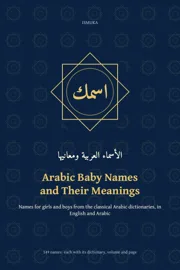 The book: Arabic Baby Names and Their Meanings149 names, each with its dictionary, volume and page · PDF $6.99 →Or the paperback on Amazon, $9.99 →
Questions about these names
Where do these meanings come from?
Each meaning is quoted from a named source, mostly the classical Arabic dictionaries: Lisan al-Arab, al-Sihah, Maqayis al-Lugha, al-Qamus al-Muhit and Taj al-Arus. Each name’s page gives the book, volume and page.
Is each of these names written in the Quran?
Not always as a name. For each one we give a verse where its word appears, with the sura and ayah; the name’s page gives the dictionary entry.
We never write “personality traits” of a name, luck or numerology: the dictionaries say nothing of the kind. We give the meaning as the book gives it, and name the book, volume and page.