Find your name
Muslim Baby Girl Names with Meanings
104 girls’ names, each with its meaning from a named source, mostly the classical Arabic dictionaries. Open a name for the book, volume and page.
- عَبِيرAbeerع · ب · رAbeer is a blend of scents made with saffron. Al-Jawhari writes in al-Sihah: “al-ʿabir is a blend of scents put together with saffron, according to al-Asmaʿi.”Girl's name
- أَدِيبَةAdibaأ · د · بAdiba is the feminine of adib, one schooled in adab. Lisan al-Arab says: “adab is what the adib is schooled by; it is called adab because it calls people to what is praiseworthy and holds them back from what is shameful.”Girl's name
 عَائِشَةAishaع · ي · شAisha comes from aysh, life: Ibn Faris says the root means life, and lasting.Girl's name
- عَلْيَاءAliaع · ل · اAlia (ʿAlyaʾ) is any high place; from the same root, ʿalaʾ is height and honour. Al-Jawhari writes in al-Sihah: “al-ʿalyaʾ is any high place; al-ʿalaʾ and al-ʿulaʾ are height and honour.”Girl's name
- أَمَلAmalأ · م · لAmal is the Arabic word for hope. Al-Jawhari writes in al-Sihah: “al-amal is hope.”Girl's name
 أَمِينَةAminaأ · م · نMaqayis al-Lugha: al-amin is the one who is trusted; Lisan al-Arab: a she-camel that is amina, strong and sure-footed.Girl's nameQuran 28:26
- آمِنَةAmnaأ · م · نAmna comes from amn, safety: the opposite of fear. Al-Jawhari writes in al-Sihah: “al-amn is the opposite of fear.”Girl's name
- أَنِيسَةAnisaأ · ن · سAnisa is the feminine of anis: a companion, anything one finds company in. Al-Jawhari writes in al-Sihah: “al-anis is the companion, and anything one finds company in.”Girl's name
- أَقْصَىAqsaق · ص · وAqsa means the farthest, from qasa: to be far. Al-Jawhari writes in al-Sihah: “so-and-so is at the farthest place, the farthest side.”Girl's nameQuran 17:1
- عَرُوبَةAroobaع · ر · بArooba (ʿAruba) is an old Arabic name for Friday. Al-Jawhari writes in al-Sihah: “the day of al-ʿAruba is Friday; it is one of their old names.”Girl's name
- أَرْوَىArwaر · و · يArwa comes from urwiyya, the female mountain goat (ibex). Al-Jawhari writes in al-Sihah: “the female of the mountain goats, and women are named after it.”Girl's name
- أَسِيلAseelأ · س · لAseel describes a smooth, soft cheek. Lisan al-Arab says: “a cheek that is asil: smooth and soft.”Girl's name
- آسِيَةAsiyaأ · س · اAsiya means a firm building, a pillar; it is the name of Pharaoh's wife. Lisan al-Arab says: “al-asiya is a firmly built structure; al-asiya is a prop and a pillar,” and “Asiya is the wife of Pharaoh.”Girl's name
- أَسْمَاءAsmaو · س · مAsma comes from wasama, beauty. Lisan al-Arab says: “Asmaʾ is a woman's name derived from al-wasama; its hamza stands in place of a waw.”Girl's name
 آيَةAyaأ · ي · يAl-Sihah: an ayah is a sign; and “the people went out with their ayah” means all of them together.Girl's nameQuran 41:53
 بَتُولBatoolب · ت · لIn al-Sihah, al-batul is the one devoted to God, cut off from the world; Ibn Faris: setting a thing apart.Girl's nameQuran 73:8
- بُشْرَىBushraب · ش · رBushra is good news: news that brings joy. Al-Jawhari writes in al-Sihah: “I gave him the good news of a newborn and he rejoiced.”Girl's nameQuran 10:64
- دَانِيَةDaniaد · ن · اDania is one who is near, from dana, to come near. Lisan al-Arab says: “dana the thing to the thing: it came near.”Girl's nameQuran 69:23
- دِيمَةDeemaد · ي · مDeema is a quiet, steady rain. Lisan al-Arab says: “al-dima is the rain that has no thunder and no lightning.”Girl's name
- إِسْرَاءEsraaس · ر · اEsraa (Israʾ) is travelling by night, from asra. Al-Jawhari writes in al-Sihah: “sarayt and asrayt mean the same: when you travel by night.”Girl's nameQuran 17:1
- فَائِزَةFaizaف · و · زFaiza comes from fawz: being saved, and winning the good. Ibn Faris writes in Maqayis al-Lugha: “faza, yafuzu: when one is saved; he is faʾiz.”Girl's name
- فَرَحFarahف · ر · حFarah is joy: the opposite of sorrow. Lisan al-Arab says: “al-farah is the opposite of sorrow.”Girl's name
 فَاطِمَةFatimaف · ط · مFatima comes from fatm, weaning: Ibn Faris says the root means cutting one thing away from another.Girl's name
- غَادَةGhadaغ · ي · دGhada is the soft, tender young woman. Lisan al-Arab says: “al-ghada is the soft, tender young woman.”Girl's name
- غَيْمGhaimغ · ي · مGhaim (Ghaym) is the Arabic word for clouds. Al-Jawhari writes in al-Sihah: “al-ghaym is the clouds.”Girl's name
- هَدِيلHadeelه · د · لHadeel is the cooing of doves. Al-Jawhari writes in al-Sihah: “al-hadil is the voice of the doves.”Girl's name
 حَفْصَةHafsaح · ف · صAl-Sihah: al-hafs is a leather basket, and also the lion’s cub.Girl's name
- هَالَةHalaه · و · لHala is the ring of light around the moon. Al-Jawhari writes in al-Sihah: “al-hala is the ring around the moon.”Girl's name
- حَلِيمَةHalimaح · ل · مHalima is the forbearing one: from hilm, the opposite of rashness. Ibn Faris writes in Maqayis al-Lugha: “al-hilm is the opposite of rashness; one says: I was forbearing with him, so I am halim.”Girl's name
- حَنَانHananح · ن · نHanan is mercy, tenderness. Al-Jawhari writes in al-Sihah: “al-hanan is mercy.”Girl's nameQuran 19:13
- حَنِينHaneenح · ن · نHaneen is longing, the soul's yearning. Al-Jawhari writes in al-Sihah: “al-hanin is longing, the soul's yearning.”Girl's name
- حَوَّاءHawaح · و · اHawa (Hawwa, Eve) is the wife of Adam; as a word, hawwaʾ is a woman whose lips are dark-tinted. Lisan al-Arab: “Hawwaʾ is the wife of Adam.” Al-Jawhari: “al-huwwa is a dark tint of the lip: a man ahwa, a woman hawwaʾ.”Girl's name
- حَيَاةHayatح · ي · اHayat is the Arabic word for life. Al-Jawhari writes in al-Sihah: “al-hayat is the opposite of death.”Girl's name
- هِبَةHibaو · ه · بHiba is a gift given for nothing in return. Lisan al-Arab says: “al-hiba is the gift free of any return and of any motive.”Girl's name
- هِنْدHindه · ن · دIbn Faris gives Hind simply as a woman's name; hunayda, from the same letters, is a hundred camels. Maqayis al-Lugha: “Hind is a woman's name, and hunayda is a hundred camels.”Girl's name
- حِرَاءHiraح · ر · اHira is the name of a mountain at Mecca. Al-Jawhari writes in al-Sihah: “Hiraʾ, with i and a long final a, is a mountain at Mecca; it is treated as both masculine and feminine.”Girl's name
- حُورHoorح · و · رHoor is the plural of hawra, from hawar. Ibn Faris writes in Maqayis al-Lugha: “al-hawar is the strong white of the eye with its strong black.”Girl's name
- هُدَىHudaه · د · يHuda is guidance. Al-Jawhari writes in al-Sihah: “al-huda is right direction and showing the way.”Girl's name
- حُمَيْرَاءHumairaح · م · رHumaira is the diminutive of hamraʾ, “red”, used to mean fair-skinned; it was a name for ʿAʾisha. Lisan al-Arab says: “he would sometimes call her ya Humayraʾ, the diminutive of hamraʾ, meaning the fair-skinned one.”Girl's name
- حُسْنَىHusnaح · س · نHusna is the best, the opposite of al-suʾa, the worst. Al-Jawhari writes in al-Sihah: “al-husna is the opposite of al-suʾa.”Girl's nameQuran 7:180
- إِيلَافIlafأ · ل · فIlaf is a pact of safe passage: the pact and the protection. Lisan al-Arab says: “al-ilaf is the pact and the protection.”Girl's nameQuran 106:1
- إِيمَانImanأ · م · نIman is faith: holding something to be true. Al-Jawhari writes in al-Sihah: “al-iman is holding something to be true.”Girl's name
- عِنَايَةInayaع · ن · يInaya is care: being taken up with someone's need. Al-Jawhari writes in al-Sihah: “I was taken up with your need, I attend to it with ʿinaya, and I am concerned with it.”Girl's name
- عِزَّةIzzahع · ز · زIzzah (ʿizza) is strength and the upper hand. Al-Jawhari writes in al-Sihah: “the noun is al-ʿizza: strength and the upper hand.”Girl's name
- جَنَىJanaج · ن · يJana is what is picked from the tree: its fruit. Al-Jawhari writes in al-Sihah: “al-jana is what is picked from trees and the like.”Girl's nameQuran 55:54
- جَنَانJananج · ن · نJanan, with an a after the j, is the heart. Al-Jawhari writes in al-Sihah: “al-janan, with a fatha, is the heart.”Girl's name
- جُودJoudج · و · دJoud means generosity. Ibn Faris writes in Maqayis al-Lugha: “one root: being open-handed with a thing, and giving much.”Girl's name
- جُمَانَةJumanaج · م · نJumana is a bead made of silver, like a pearl. Lisan al-Arab says: “al-jumana is a bead made of silver, like a pearl; Ibn Sida said: and women are named after it.”Girl's name
- كَوْثَرKawtharك · ث · رKawthar is abundance: plenty of every thing. Lisan al-Arab says: “al-kawthar is the abundant of every thing.”Girl's nameQuran 108:1
 خَدِيجَةKhadijaخ · د · جKhadija is the feminine of khadij: a child born before its time, yet fully formed (Lisan al-Arab).Girl's name
- خَوْلَةKhawlaخ · و · لKhawla is the gazelle. Lisan al-Arab says: “al-khawla is the gazelle.”Girl's name
- خُلُودKhuloodخ · ل · دKhulood is lasting forever. Al-Jawhari writes in al-Sihah: “al-khuld is lasting on forever; one says khalada, yakhludu, khulud.”Girl's name
- لَمَىLamaل · م · يLama comes from al-lama, a dark tint inside the lip that was found beautiful. Ibn Faris writes in Maqayis al-Lugha: “it is al-lama: a darkness inside the lip, and it is found beautiful.”Girl's name
- لَمِيسLameesل · م · سLamees is the one soft to the touch. Lisan al-Arab says: “al-lamis is the woman who is soft to the touch.”Girl's name
- لَيَانLayanل · ي · نLayan is ease and softness of life. Al-Jawhari writes in al-Sihah: “he is in layan of life: in ease and comfort.”Girl's name
 لَيْلَىLaylaل · ي · لIn Lisan al-Arab, Layla is named after "the darkest night of the month".Girl's name
- لِينLeenل · ي · نLeen is softness, gentleness. Al-Jawhari writes in al-Sihah: “al-lin is the opposite of roughness.”Girl's name
- لُبْنَىLubnaل · ب · نLubna is a tree whose sap is like honey. Al-Jawhari writes in al-Sihah: “al-lubna is a tree that has a milk like honey.”Girl's name
- لُجَيْنLujainل · ج · نLujain means silver. Ibn Faris writes in Maqayis al-Lugha: “al-lujayn is silver.”Girl's name
- مَهَاMahaم · ه · وMaha is the plural of mahat, the wild cow (the oryx). Al-Jawhari writes in al-Sihah: “al-maha is the plural of mahat, which is the wild cow.”Girl's name
- مَلَكMalakم · ل · كMalak is the Arabic word for an angel. Lisan al-Arab says: “malak is the singular of malaʾika (angels); it is a lightened form of malʾak.”Girl's nameQuran 12:31
- مَلِيحَةMalihaم · ل · حMaliha is the feminine of malih: beautiful, from malaha, beauty. Lisan al-Arab says: “malaha, yamluhu, mulaha: that is, he was beautiful, so he is malih.”Girl's name
- مَنَارManarن · و · رManar is the waymark of a road, and the place of light. Al-Jawhari writes in al-Sihah: “al-manar is the waymark of the road.”Girl's name
- مَرَامMaramر · و · مMaram is the thing one seeks: an aim. Ibn Faris writes in Maqayis al-Lugha: “al-maram is the thing sought.”Girl's name
 مَرْيَمMaryamTaj al-Arus says Maryam is not Arabic, so it is not derived from anything.Girl's nameQuran 3:36
- مَيَّارMayarم · ي · رMayar is the one who brings home the provisions. Lisan al-Arab says: “al-mayyar is the one who brings the provisions.”Girls and boys
- مَنَاهِلMinahilن · ه · لMinahil (manahil) is the plural of manhal: a spring where one comes to drink. Al-Jawhari writes in al-Sihah: “al-manhal is the watering place: a spring the camels come down to in the pastures.”Girl's name
- مُنَىMonaم · ن · يMona (Muna) is the plural of munya: what one wishes for. Lisan al-Arab says: “al-muna, with u, is the plural of munya: what a man wishes for.”Girl's name
- نَدَىNadaن · د · يNada is rain and dew, and it is also generosity. Lisan al-Arab says: “al-nada is rain and moisture.”Girl's name
- نَجْلَاءNajlaن · ج · لNajla describes a wide eye. Lisan al-Arab says: “a najla' eye: a wide one.”Girl's name
- نِدَاءNidaن · د · اNida is a call: the voice raised to someone. Al-Jawhari writes in al-Sihah: “al-nidaʾ is the voice; nadahu, nidaʾ: he called out to him.”Girl's nameQuran 19:3
- نَمِرَةNimraن · م · رNimra (namira) is a striped cloak. Lisan al-Arab says: “al-namira is a striped cloak, so called for the different colours of its stripes; al-namira is a wrap with white and black stripes.”Girl's name
 نُورNoorن · و · رAl-Sihah: al-nur is light; with a fatha, al-nawr is the blossom (Taj al-Arus).Girls and boysQuran 10:5
- نَوْرَةNouraن · و · رNoura (Nawra) is blossom. Lisan al-Arab says: “al-nawr and al-nawra both mean blossom.”Girl's name
- نُهَىNuhaن · ه · يNuha is the plural of nuhya, the mind. Ibn Faris writes in Maqayis al-Lugha: “al-nuhya is the mind, because it forbids the ugly deed; the plural is nuha.”Girl's name
- قَمَرQamarق · م · رQamar is the moon, named for its whiteness. Ibn Faris writes in Maqayis al-Lugha: “al-qamar, the moon of the sky, was named qamar for its whiteness.”Girls and boysQuran 54:1
- رَغَدRaghadر · غ · دRaghad describes a pleasant, ample life. Ibn Faris writes in Maqayis al-Lugha: “a life that is raghad: pleasant and ample.”Girl's name
- رَهَفRahafر · ه · فRahaf means fineness and delicacy. Lisan al-Arab says: “al-rahaf is fineness and delicacy.”Girl's name
- رَنَاRanaر · ن · وRana comes from gazing long at something. Al-Jawhari writes in al-Sihah: “rana ilayhi: he kept his gaze on him.”Girl's name
- رَانِيَةRaniaر · ن · اRania is one who gazes: from rana, to keep looking at something. Al-Jawhari writes in al-Sihah: “rana ilayhi, yarnu: when one keeps one's gaze on it; one says: he went on gazing (raniyan).”Girl's name
- رَشَاRashaر · ش · أRasha comes from rashaʾ: a young gazelle that has begun to walk. Al-Jawhari writes in al-Sihah: “al-rashaʾ is the young of the gazelle that has begun to move and walk.”Girl's name
- رَزَانRazanر · ز · نRazan is a composed, dignified woman. Al-Jawhari writes in al-Sihah: “a woman is razan when she is composed where she sits.”Girl's name
 رِيمReemر · ي · مIn Lisan al-Arab, al-reem is "the white gazelle, pure white".Girl's name
- رِضَاRidaر · ض · يRida (Reda, Raza) is being pleased, the opposite of displeasure. Lisan al-Arab says: “al-rida, with a short end, is the opposite of displeasure (sukht).”Girls and boys
- رِيتَاجRitajر · ت · جRitaj comes from al-ritaj, the great door. Al-Jawhari writes in al-Sihah: “al-rataj is the great door, and so is al-ritaj; from it comes the ritaj of the Kaaba.”Girl's name
- رُمَيْصَاءRomaisaر · م · صRomaisa (Rumaysa) is the name of a star. Lisan al-Arab says: “al-Shiʿra al-Rumaysaʾ is one of the two stars of al-Dhiraʿ (the Forearm).”Girl's name
- صَفَاءSafaaص · ف · وSafaa is clearness, purity. Al-Jawhari writes in al-Sihah: “al-safaʾ, with the long a, is the opposite of murkiness.”Girl's name
- صَائِمَةSaimaص · و · مSaima is a woman who fasts: holding back from food and drink. Ibn Faris writes in Maqayis al-Lugha: “the fast of one who fasts is holding back from food and drink.”Girl's nameQuran 33:35
- سَلْمَىSalmaس · ل · مSalma is an Arabic woman's name, from the root s-l-m, which is mostly about soundness and well-being. Al-Jawhari: “Salma is a woman's name.” Ibn Faris: “most of this root is about soundness and well-being.”Girl's name
- سَمَرSamarس · م · رSamar is conversation at night. Al-Jawhari writes in al-Sihah: “al-samar is talking together: it is conversation at night.”Girl's name
- سَنَاءSanaaس · ن · وSanaa is height and honour. Al-Jawhari writes in al-Sihah: “al-sanaʾ, with the long a, is of height and honour.”Girl's name
 سَارَةSaraSara is of Hebrew origin, said to mean “princess” (Brown-Driver-Briggs); not an Arabic name.Girl's name
- شَادِنShadenش · د · نShaden is a young gazelle. Lisan al-Arab says: “when shadin stands alone, it is the young of the gazelle.”Girl's name
- شَهْدShahdش · ه · دShahd is honey still in its comb. Ibn Faris writes in Maqayis al-Lugha: “al-shahd is honey in its comb.”Girl's name
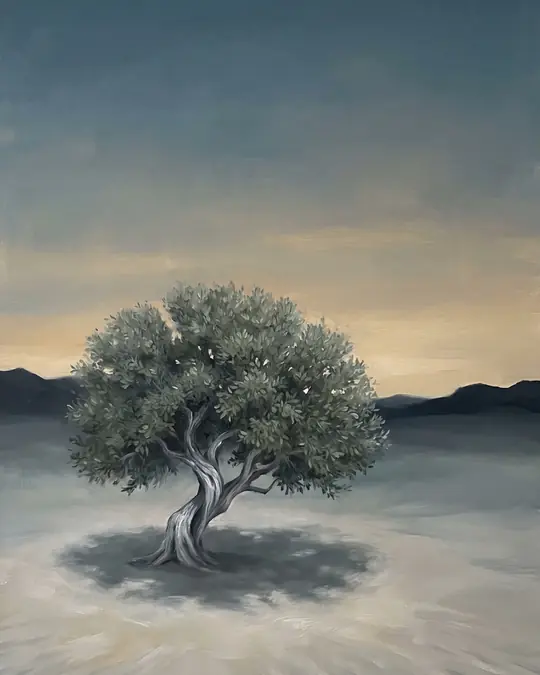 سِدْرَةSidraس · د · رIn Lisan al-Arab, al-sidr is the lote tree, and a single tree of it is a sidra (An-Najm 53:14).Girl's nameQuran 53:14
- سِهَامSihamس · ه · مSiham is the plural of sahm, an arrow; a sahm is also one's share. Al-Jawhari writes in al-Sihah: “al-sahm is one of the siham (arrows); al-sahm is also a share.”Girl's name
- تَسْنِيمTasneemس · ن · مTasneem is a water in Paradise, named in the Quran. Al-Jawhari writes in al-Sihah: “it is a water in Paradise, so named because it flows above the chambers and the palaces.”Girl's nameQuran 83:27
- وَفَاءWafaaو · ف · يWafaa is faithfulness: keeping one's word. Al-Jawhari writes in al-Sihah: “al-wafaʾ is the opposite of betrayal.”Girl's name
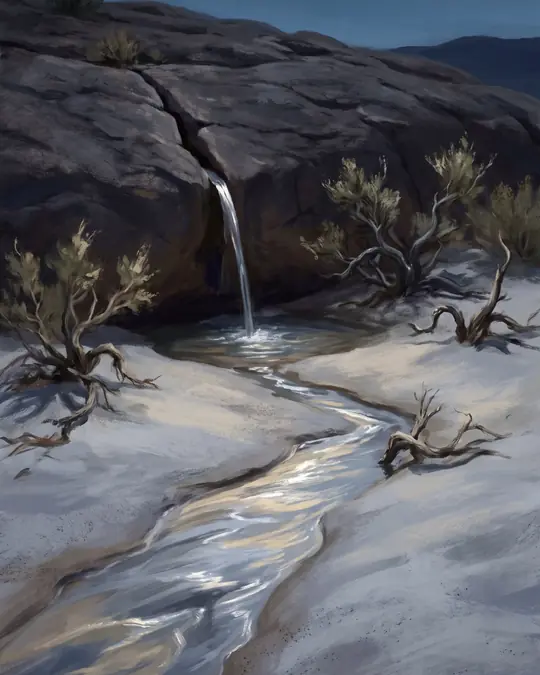 وَتِينWateenو · ت · نIn Lisan al-Arab, al-wateen is a vessel in the heart: if it is cut, its owner dies.Girl's nameQuran 69:46
- وِدَادWidadو · د · دWidad is love, affection. Lisan al-Arab says: “al-wudd is love, in all the ways into the good.”Girl's name
- يَقِينYaqeenي · ق · نYaqeen is certainty. Lisan al-Arab says: “al-yaqin is knowledge, the removal of doubt, and making a matter certain.”Girls and boysQuran 15:99
- يُسْرَىYusraي · س · رYusra comes from yusr, ease: the opposite of hardship. Ibn Faris writes in Maqayis al-Lugha: “al-yusr is the opposite of hardship.”Girl's nameQuran 87:8
 زَهْرَاءZahraز · ه · رIn al-Sihah, a man is azhar, white and bright of face, and a woman is zahra.Girl's name
 زَيْنَبZainabز · ن · بIn Lisan al-Arab, the zaynab is a tree fair to look at and sweet-smelling, and women were named after it.Girl's name
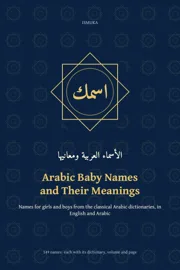 The book: Arabic Baby Names and Their Meanings149 names, each with its dictionary, volume and page · PDF $6.99 →Or the paperback on Amazon, $9.99 →
Questions about these names
Where do these meanings come from?
Each meaning is quoted from a named source, mostly the classical Arabic dictionaries: Lisan al-Arab, al-Sihah, Maqayis al-Lugha, al-Qamus al-Muhit and Taj al-Arus. Each name’s page gives the book, volume and page.
We never write “personality traits” of a name, luck or numerology: the dictionaries say nothing of the kind. We give the meaning as the book gives it, and name the book, volume and page.