The story of the name, from the sources
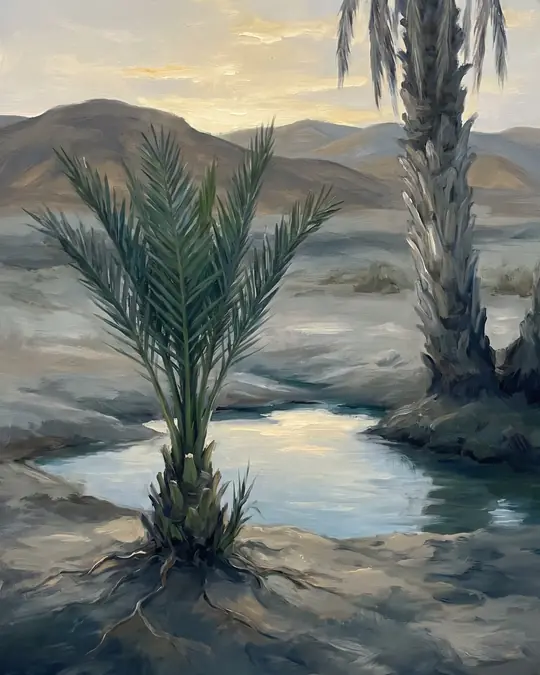
In Lisan al-Arab, Ibn al-Arabi says the zaynab is a tree, fair to look at and sweet-smelling, and women were named after it.
“The zaynab is a tree, fair to look at, sweet-smelling, and women were named after it”
Ibn al-Arabi
Lisan al-Arab · vol. 1, p. 453 · al-Qamus al-Muhit · vol. 1, p. 95

But the scholars did not agree. Abu Amr says it comes from zanab, plumpness. Al-Qamus says it may first have been zayn ab, a father's adornment. Taj al-Arus calls it a coined name. And there are other views.
they did not agree
“zanab is plumpness” · Abu Amr
“or it was first zayn ab”, a father’s adornment
“Zaynab is a coined name” · Abu al-Fath
Lisan al-Arab · vol. 1, p. 453 · al-Qamus al-Muhit · vol. 1, p. 95 · Taj al-Arus · vol. 3, pp. 26–28
The eldest daughter of the Prophet, peace be upon him, was Zaynab. In Sahih Muslim, Zaynab bint Abi Salama says: my name was Barra, and the Messenger of God named me Zaynab. He did the same for the Mother of the Believers, Zaynab bint Jahsh.
“My name was Barra, and the Messenger ﷺ named me Zaynab”
Zaynab bint Abi Salama
“Zaynab bint Jahsh, whose name was Barra, came to him, and he named her Zaynab”
Sahih Muslim 2142 · Ibn Sa’d, al-Tabaqat · vol. 8, p. 25
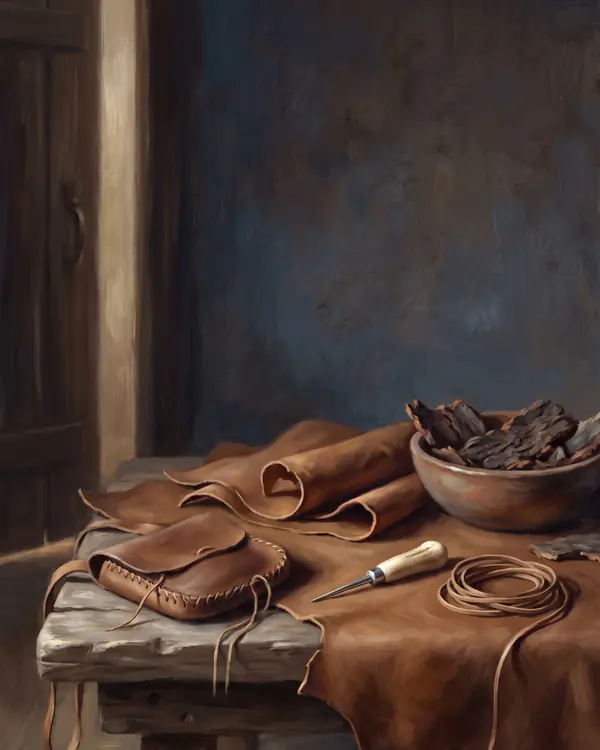
He told his wives: the first of you to join me will be the one with the longest hand. Aisha said: Zaynab had the longest hand of us, for she worked with her hand and gave in charity.
“Zaynab had the longest hand of us, for she worked with her hand and gave in charity”
Aisha
Zaynab bint Khuzayma “was called the Mother of the Poor”
Sahih Muslim 2452 · al-Isaba · vol. 8, p. 157